Custom
Fitness & Sports
Web and Mobile App
Development Services

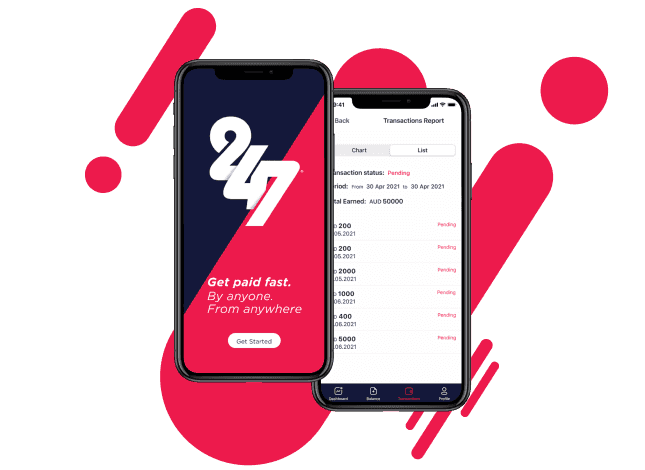
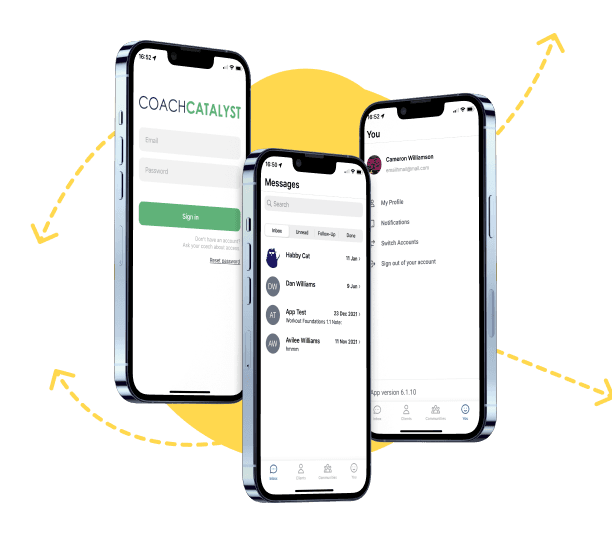
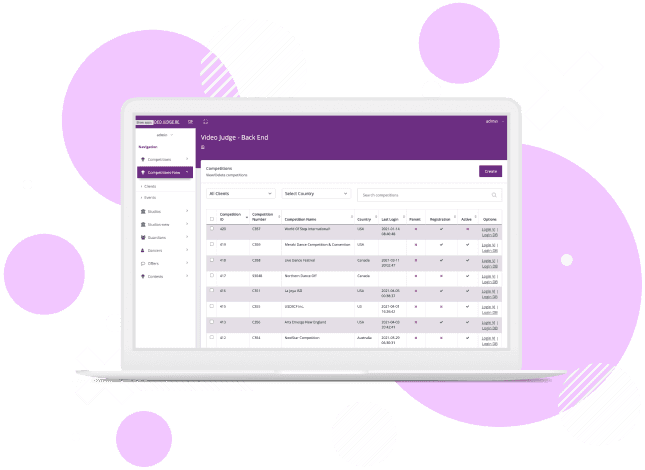
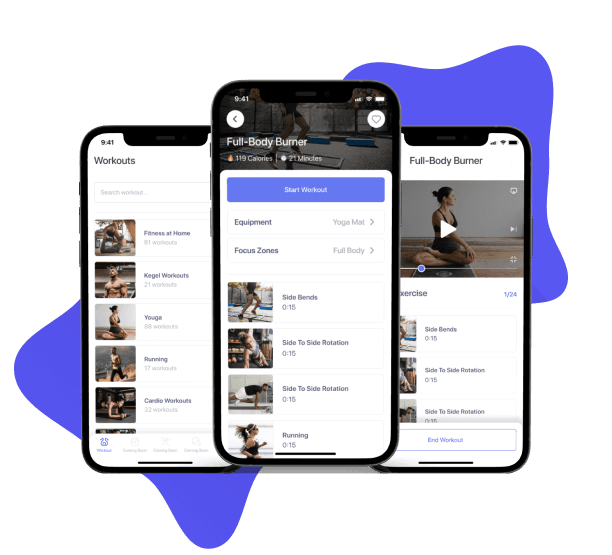
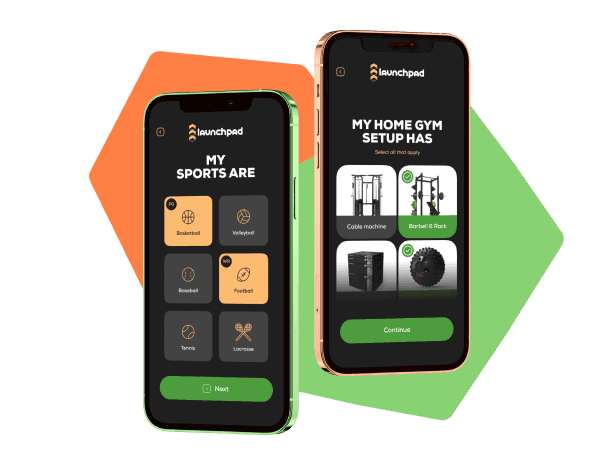
Specialized health and fitness apps for every aspect of sports activities from personal training to managing sports events and beyond.

Sports AppDevelopment Services

We make web and mobile apps for sports teams and individuals from scratch or enhance existing apps for diverse kinds of sports.

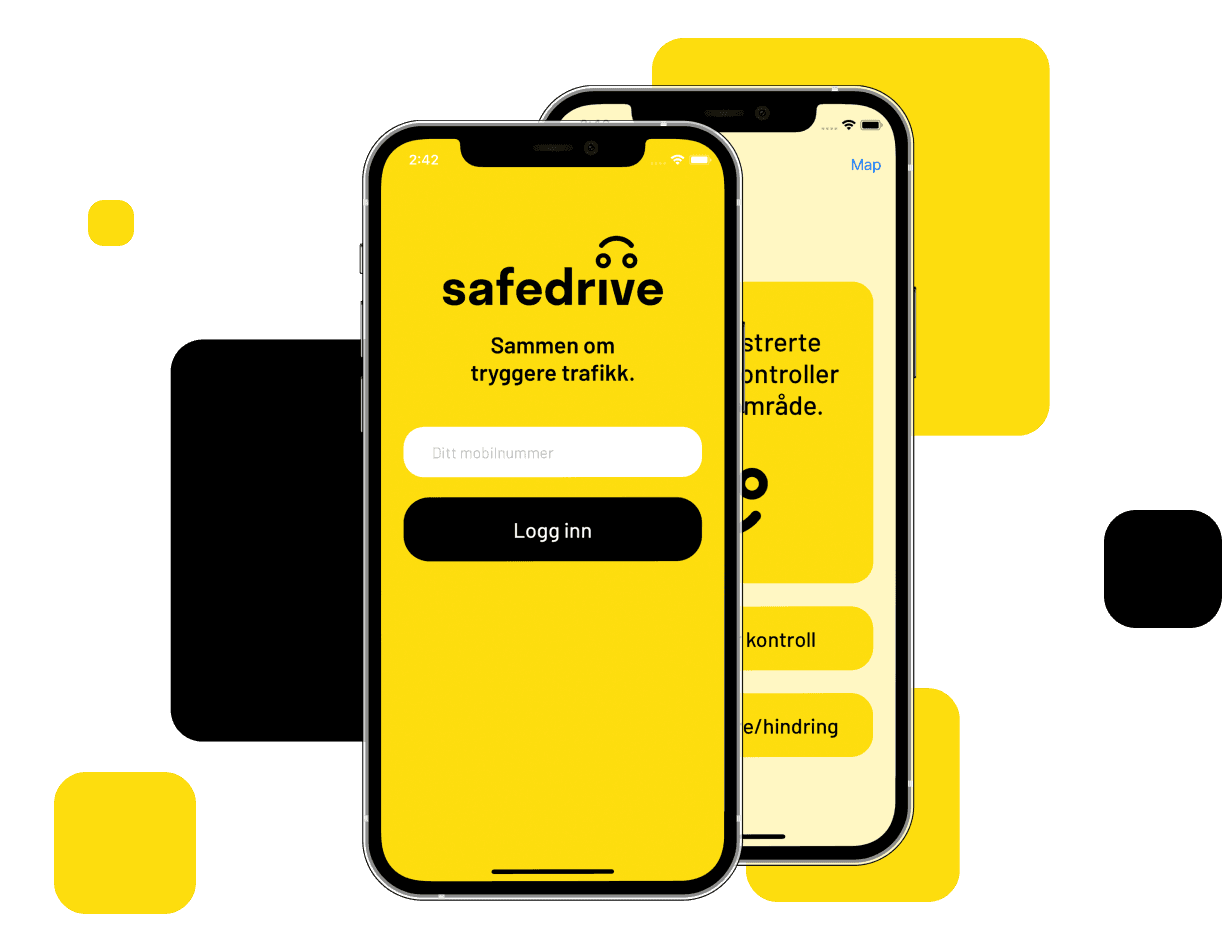
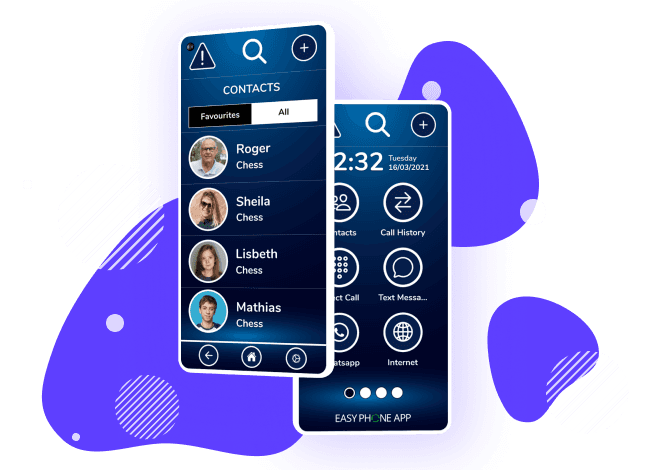
Sports Mobile App Development
Sports Health Software Solutions
Data Management Software Development
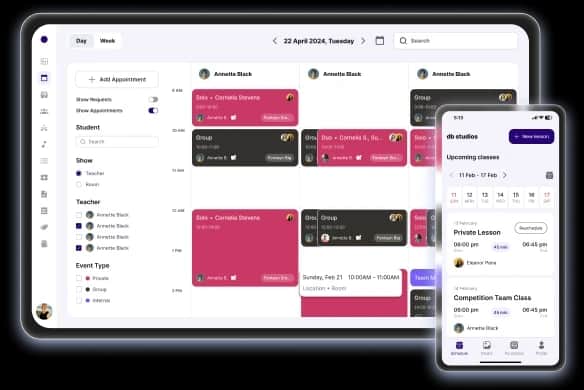
Sports Coaching Software
Web Platforms Development
Nutrition Management Software
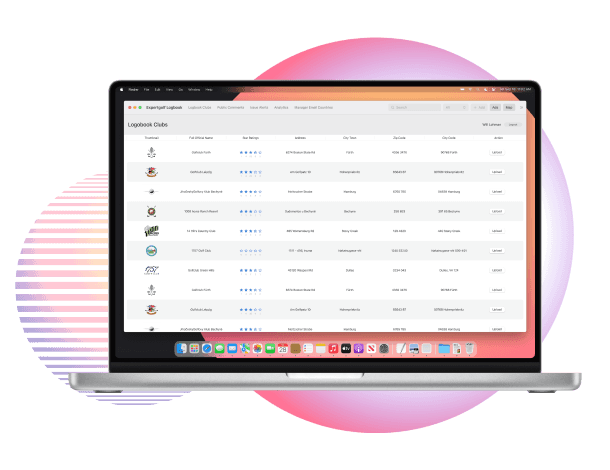
Fitness Club and Gym Management Software
Third-Party Systems Integration

Core Features

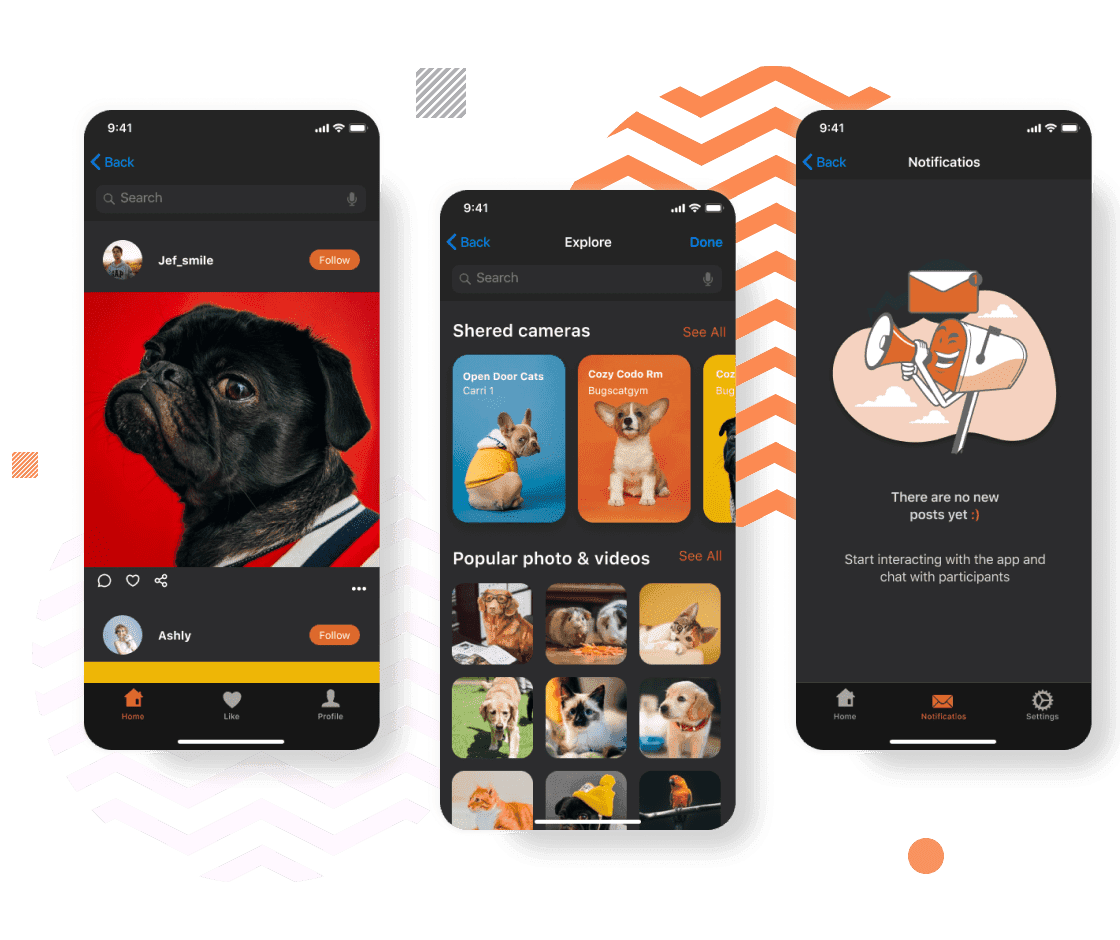
We fuel your sports software and fitness mobile apps with the functionality your customers get habitual to.

  • Activity Tracking
  • Workout Videos
  • Personalized Plans
  • Workout Calendars
  • Progress Visualization
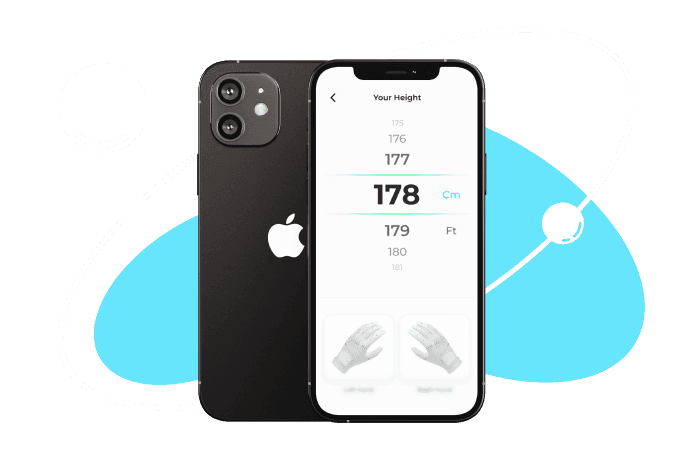
  • Wearables Integration
  • Challenges & Goals
  • Social Media Integration
  • Instant Messaging
  • Nutrition
  • League & Team Management
  • Push Notifications
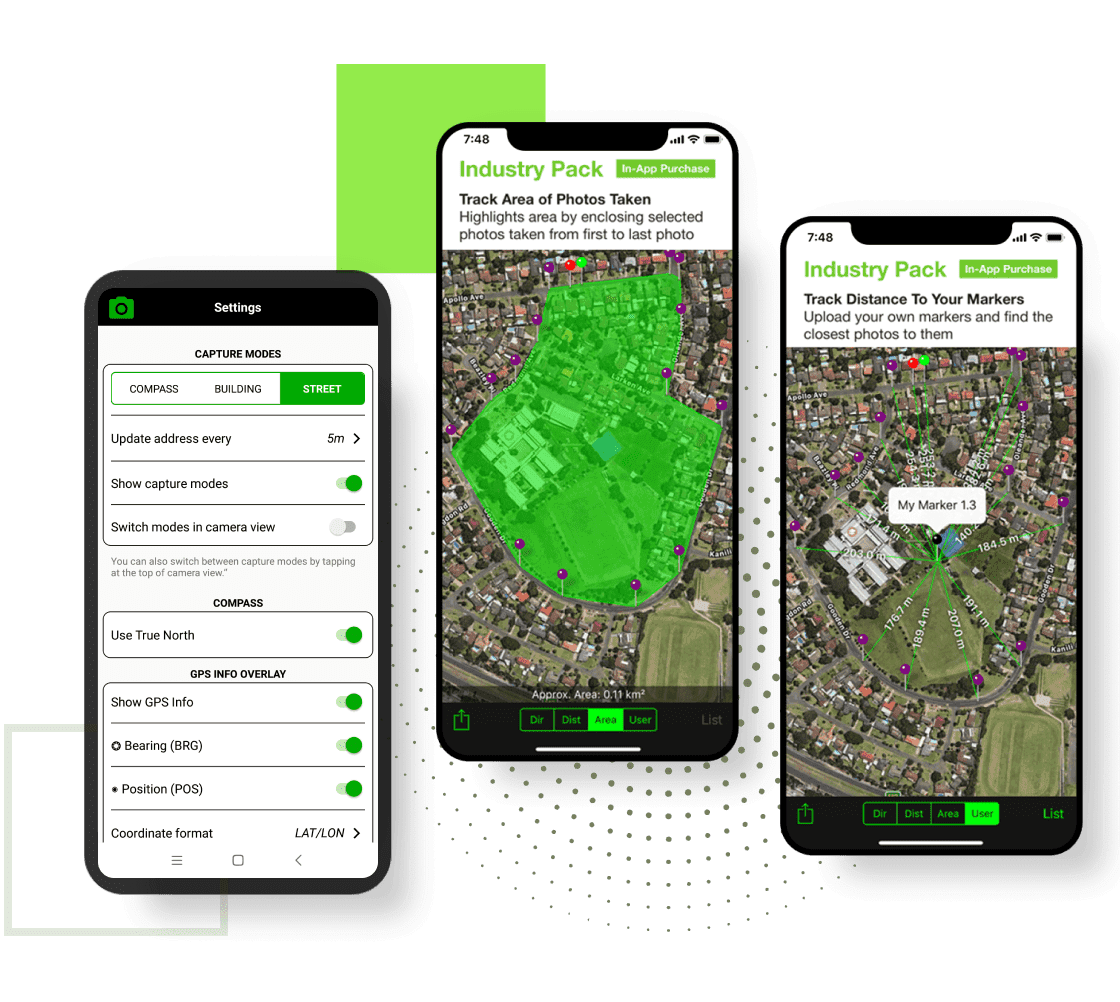
  • Geolocation
  • Analytics & Reporting
  • Events & Tickets Booking

Who Should Care

We offer full-cycle web and mobile app development services to all-sized businesses and startups functioning in the fitness and sports industry.

Fitness Coach
Yoga Instructors
Gym Owner
Golf Court Owner
Dietitian

Benefits ofSports & Fitness Apps

Focus on your business goals while we take care of your digital sports solution.

  • Fans Engagement

    Fans Engagement

    Stay connected with the fanbase via an all-in-one robust sports solution that manages all athletic activities.

  • Mobile Experience

    Mobile Experience

    Enjoy the immersiveness of mobility solutions that can take you to a new sports arena via live streaming and beyond.

  • Sports-Specific Solutions

    Sports-Specific Solutions

    Create specialized sports software for any kind of sports activity with a unique feature set and secure data storage.

Learn more

7 Crucial Tips to Reduce Mobile App Development Costs for Startups

7 Crucial Tips to Reduce Mobile App Development Costs for Startups

In today's fast-paced digital world, startups are increasingly relying on mobile applications to enhance their customer experience, streamline operations, and stay competitive. However, the cost of developing a custom mobile app can be a significant barrier for many startups. Understanding the various aspects that influence mobile app development costs and learning how to manage these expenses effectively can make the difference between a successful product launch and an over-budget failure. In this article, we'll explore seven crucial tips to help startups reduce mobile app development costs without compromising on quality. Whether you're a budding entrepreneur wondering "how much does it cost to develop a product?" or looking for the best app developers for startups, we've got you covered.How Much Does Custom App Development Cost?When embarking on a journey to develop a custom mobile app, one of the first questions that comes to mind is, "how much does it cost to build an app?" The answer to this question varies widely based on several factors, including the complexity of the app, the platforms it will run on (iOS, Android, or both), and the geographical location of the development team.Factors Influencing the Cost of Mobile App Development:App Complexity:Simple Apps: These usually feature basic functionality and a limited number of screens. They often cost between $10,000 to $50,000.Medium Complexity Apps: These apps include features like integration with third-party services, backend servers, and more interactive UI. Costs typically range from $50,000 to $100,000.Complex Apps: High-end apps with advanced features like real-time data sync, custom animations, and advanced backend capabilities can cost upwards of $100,000.Platforms:Single Platform (iOS or Android): Developing an app for a single platform can reduce costs compared to building for both.Cross-Platform Development: Using frameworks like React Native or Flutter can help reduce costs and development time by allowing a single codebase to be deployed across multiple platforms.Geographical Location of Developers:North America and Western Europe: Typically the most expensive regions, with hourly rates ranging from $100 to $250.Eastern Europe and Latin America: Offer a balance of quality and cost, with rates ranging from $30 to $100 per hour.Asia (India, Philippines): Often the most cost-effective, with rates between $10 to $50 per hour, though the quality may vary significantly.Development Team:The size and expertise of your development team also play a crucial role in determining costs. A larger team with specialized roles (e.g., project managers, UX/UI designers, backend developers) will likely increase the overall cost but can also lead to a more polished product.Understanding these factors can provide a clearer picture of what to expect in terms of budget and help in planning your startup costs for an app more effectively.Factors That Affect Mobile App Development CostSeveral factors can influence the overall cost of mobile app development. By understanding these variables, startups can make informed decisions and manage their budgets more effectively. Here are the primary factors that affect mobile app development costs:Scope and Features:Core Features: The more features an app has, the more time and resources are required to develop it. Simple apps with basic functionality will cost less than complex apps with advanced features like AI integration, real-time updates, or extensive backend services.User Authentication: Implementing secure user authentication mechanisms can increase development costs. This includes options like social login, two-factor authentication, and single sign-on.Design and User Experience:UI/UX Design: A well-designed app that offers an intuitive user experience is essential for success. However, investing in high-quality UI/UX design can be costly. Custom animations, complex transitions, and unique interfaces add to the cost.Prototyping and Testing: Creating prototypes and conducting extensive user testing ensures the app meets user needs and expectations, but these processes also contribute to the overall cost.Backend Infrastructure:Server Costs: Apps that require backend support for data storage, user management, and real-time updates will incur additional costs. The complexity and scale of the backend infrastructure significantly impact the budget.APIs and Integrations: Integrating third-party APIs, such as payment gateways, social media platforms, or geolocation services, adds to development time and costs.Maintenance and Updates:Ongoing Maintenance: Post-launch maintenance, including bug fixes, updates, and improvements, is a crucial aspect of the app lifecycle. Regular maintenance ensures the app remains functional and up-to-date, but it also represents an ongoing cost.User Feedback: Incorporating user feedback to enhance features and address issues is essential for app success, requiring continuous investment in development.Marketing and Launch:App Store Optimization (ASO): Optimizing your app for app store searchability can improve visibility and downloads but requires additional resources.Marketing Campaigns: Promoting your app through various channels, such as social media, paid ads, and influencer partnerships, incurs additional costs but is vital for reaching your target audience.Compliance and Security:Data Protection: Ensuring compliance with data protection regulations (e.g., GDPR) and implementing robust security measures can increase development costs. This includes encryption, secure data storage, and regular security audits.Legal Requirements: Depending on the app's functionality and target market, legal requirements such as obtaining licenses, certifications, or adhering to industry standards can add to the cost.By understanding and anticipating these factors, startups can better manage their product development costs and allocate resources more efficiently, ultimately reducing software development costs and ensuring a successful app launch.Read also: https://topdevs.org/blog/offshore-app-development-servicesTop Proven Ways to Reduce Your App Development CostReducing mobile app development costs without compromising on quality is a key concern for startups. Here are some proven strategies to help manage and minimize expenses effectively:Prioritize Essential Features:Minimum Viable Product (MVP): Focus on building an MVP that includes only the core features necessary to solve the main problem. This approach allows you to launch quickly, gather user feedback, and iteratively add features based on actual user needs, reducing the initial development cost.Feature Prioritization: Rank features by importance and impact. Implement the most critical features first and consider adding less essential ones in future updates.Optimize Native Development Processes:Code Reusability: Encourage code reusability across different parts of the app and even across different projects. This can significantly reduce development time and costs.Native Development Best Practices: Adopting best practices specific to native development can enhance efficiency. This includes using native development tools and frameworks provided by platform owners (e.g., Swift and Kotlin for iOS and Android respectively).Outsource to Cost-Effective Regions:Offshore Development: Hiring developers from regions with lower hourly rates, such as Eastern Europe, Latin America, or Asia, can reduce costs. Ensure that the development team has a proven track record and good communication skills to avoid potential pitfalls.Nearshore Development: Nearshoring to neighboring countries can also provide cost savings while maintaining a similar time zone for easier collaboration.Leverage Open-Source Solutions:Open-Source Libraries and Frameworks: Utilize open-source libraries and frameworks to save development time and costs. These resources are often well-tested and can provide robust functionality without the need for custom development from scratch.Adopt Agile Development Practices:Agile Methodology: Implement agile methodologies to manage the development process. Agile practices, such as iterative development, continuous feedback, and flexible planning, help ensure that the project stays on track and within budget.Regular Testing: Conduct regular testing throughout the development process to identify and address issues early, reducing the cost of fixing bugs later.Utilize Pre-Built Templates and Components:UI Kits and Templates: Use pre-built UI kits and templates to accelerate the design and development process. These resources provide ready-made components that can be customized to fit your app's needs, saving time and reducing costs.Third-Party Services: Integrate third-party services for common functionalities like authentication, payments, and analytics instead of developing these features in-house.Effective Project Management:Clear Requirements: Clearly define project requirements and scope from the outset to avoid scope creep and unexpected costs. Detailed documentation and regular communication with the development team can prevent misunderstandings and delays.Dedicated Project Manager: Appoint a dedicated project manager to oversee the development process, manage timelines, and ensure that the project stays within budget.By implementing these strategies, startups can reduce product development costs, expedite the development process, and bring a high-quality app to market more efficiently. These approaches not only help in managing the budget but also enhance the overall development experience, ensuring a successful product launch.Final Thoughts on Cost-Effective Product DevelopmentDeveloping a mobile app can be a daunting task, especially for startups with limited budgets. However, with careful planning and strategic decision-making, it is possible to manage and reduce mobile app development costs effectively. Here are some final thoughts to keep in mind:Strategic Planning:Start with a clear vision and a well-defined project scope. Understanding your target audience and their needs will help prioritize features that offer the most value.Develop a comprehensive budget that includes all potential costs, from development and testing to marketing and maintenance.Focus on Quality:While cost-saving is essential, it should not come at the expense of quality. A well-built app that offers a great user experience will have a higher chance of success and a better return on investment.Invest in hiring the best app developers for startups who have a proven track record in delivering high-quality native apps.Iterative Development:Embrace an iterative development approach by building an MVP first. This allows you to test the waters and gather valuable user feedback, which can inform future development phases.Continuously improve and update your app based on user feedback and market trends, ensuring it remains relevant and competitive.Leverage Expertise:Partner with experienced development teams, like TopDevs, who specialize in custom mobile app development for startups. Their expertise can help navigate the complexities of the development process and avoid common pitfalls.Utilize external consultants or advisors who can provide insights and guidance on cost-effective product development solutions.Efficient Resource Management:Optimize the use of resources by adopting efficient project management practices. This includes clear communication, regular progress reviews, and effective time management.Utilize pre-built templates, open-source libraries, and third-party services to reduce development time and costs without compromising on quality.Long-Term Perspective:Consider the long-term implications of your development decisions. While initial development costs are important, also account for ongoing maintenance, updates, and potential scalability needs.Plan for future growth and ensure your app is built on a scalable architecture that can accommodate new features and increased user loads.By focusing on these aspects, startups can not only reduce their app development costs but also create a robust, high-quality product that stands out in the competitive market. Cost-effective product development is about balancing cost-saving measures with smart investments in quality and user experience.In conclusion, the journey of mobile app development for startups can be challenging, but with the right strategies and partners, it can lead to a successful and cost-effective product launch. At TopDevs, we are committed to helping startups navigate this journey, providing expert guidance and top-tier development services to turn your vision into reality.


Connect with Experts

Become our happy customer and turn your valuable idea into a striking digital solution!

Leave a request on the form or email us at

info@topdevs.org
  • Hanna Soloviova, CEO
    Hanna Soloviova
    CEO
    United Kingdom, London, Exeter
flag