 Hanna VoronovaCEOUnited Kingdom
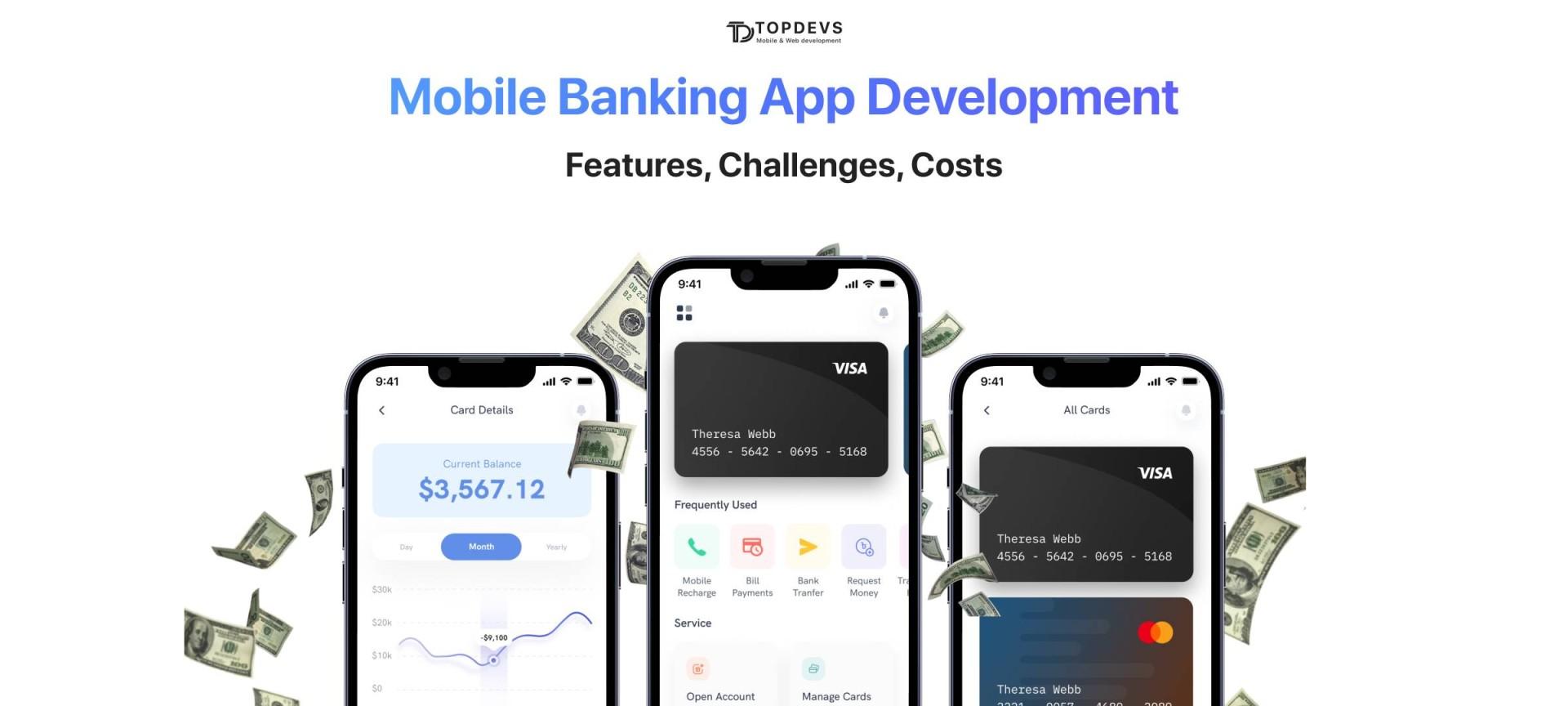
Bank in a pocket: mobile banking applications significantly impact the financial industry. They gave customers many convenient features that made managing their finances, completing transactions, and directly communicating with the banks as easy as possible. The number of mobile device users is increasing, as is the demand for apps, and the development of mobile banking is the best solution for your business to catch more clients.
The mobile banking market remains quite competitive but, at the same time, offers many growth opportunities. Simple, convenient, and functional applications are guaranteed to find their audience. According to a report by Statista, the number of active users of the Bank of America worldwide mobile app has increased by almost 5 million over the past two years. And this is just one example of one bank.
Mobile banking application development provides the following benefits for both bank owners and ordinary users:

There are hundreds of apps on the market right now. Each one provides different features, security levels, customer support, etc. But we decided to make our own top 3 banking apps:
1. Bank of America. The classic example of a convenient and functional mobile banking app with extra security features.
2. Varo Bank. Mobile banking growth increased rapidly, so it was only a matter of time before full digital banking emerged. Varo Bank is a perfect example of modern banking. It has a clean design, good security tools, excellent accessibility, and is fully digital.
3. Venmo. It's not a banking app, but it is still an excellent example of the successful development of financial mobile apps. Venmo is a viral peer-to-peer payment platform. With Venmo, you can easily split any of your payments: dinner bills, some event tickets, rent, and so on.
The target audience of banking applications is an extremely wide audience. You can work with both B2B and B2C spheres.
Mobile application development for banking should contain the following features:
1. Security. Support for face ID, fingerprint login, flexible user verification, and privacy settings to protect customers' data.
2. 24/7 user support using chatbots.
3. Flexible personalization settings. To simplify the interaction between the user and the app itself, the user should be able to customize it for themselves.
4. Push notifications. These notifications can notify users of various activities, including transactions, app updates, requests, and promotional offers such as discounts.
5. ATM/Bank branch locator. Customers can quickly locate the nearest bank branch or ATM by integrating a geolocation feature into the banking app.
Read also: What’s the Big Difference Between B2B and B2C Mobile Apps Business Models?
While developing a mobile banking app is a great way to boost your business, during the development stage and before it, you may encounter the following challenges:
1. Accessibility. It's important to remember that not all consumers can easily navigate in a digital space. It's crucial to make the app interface and navigation straightforward for all users and make it customizable due to customer preferences.
2. High expectations from the audience. Modern users expect a mobile application to be simple, fast, convenient, and highly functional. The requirements of the mobile application audience are increasing every day. For a successful project start, you must consider all the industry trends and the latest tech features.
3. Legal challenges. Compliance with government regulations and obtaining the necessary licenses are crucial for mobile banking apps. The number of specific rules can vary depending on the app's location. But still, you should carefully study all the legal aspects before starting mobile banking app development.

Here's a little guide on how you can make finding the right development team a lot easier:
1. Decide on the technology stack you need to build a banking app.
2. Choose mobile banking app providers with a strong portfolio and customer reviews. You can also use the recommendations from your partners.
3. Make sure you have an NDA in place. Even if you intend to work with something other than this team, keeping the information about your project secure is essential.
Read also: How We’ve Created Payment Processing App For Solo Entrepreneurs & SMBs
1. Study the mobile app market in detail. This will help you identify your direct competitors and list the features you want to implement to stand out in the market.
2. Hire a development team with the required technology stack. You will need native developers for Android and iOS, front-end and back-end specialists, and designers.
3. Development of UI/UX design.
4. MVP development is a must for a better testing stage.
5. Development of a ready-made version of a mobile application.
6. Maintenance and support.
Here are some of the current trends in mobile banking app development to stay competitive:
1. Blockchain. Blockchain provides a secure and decentralized way to store and manage financial transactions. It can increase customer trust and reduce the risk of data breaches.
2. AI. Artificial Intelligence is the future of mobile banking. It's playing a crucial role in mobile banking app development. With AI-powered chatbots, customers can receive instant support and assistance. AI algorithms can also help banks to detect fraudulent activities and identify patterns in customer behavior.
To calculate the cost of developing a mobile banking application, you must decide on the main features you want to implement. The overall price includes native development for Android and iOS, user-friendly design development, additional security features, building an MVP, and testing. The developer's team geography can also affect the cost of the product. For example, the hourly rate of US developers is significantly higher than European developers. The total amount of banking app development can vary from $35,000 to $300,000 and more.
Read also: How to Actually Extend the UK App Development Team in 2023
Building a banking app is the best solution for your business growth. Due to its simplicity and accessibility, with a mobile app, you can provide your users with all the necessary banking services they can use on the go. But to stand out, you must offer your customers an exclusive user experience. For example, integrate a blockchain or AI system. You can implement only all the primary and additional functions in your banking application with a highly qualified development team. And the best way to find that team is to hire a third-party company to select the developers with the technology stack you require for your project.
Your idea - our execution. Let's create meaningful solutions together!
Contact ustags

Mobile App Development: Choose the Best Between Cross-Platform & Native Apps
November 19, 2020
How to Choose a Mobile App Development Company in the USA
May 14, 2026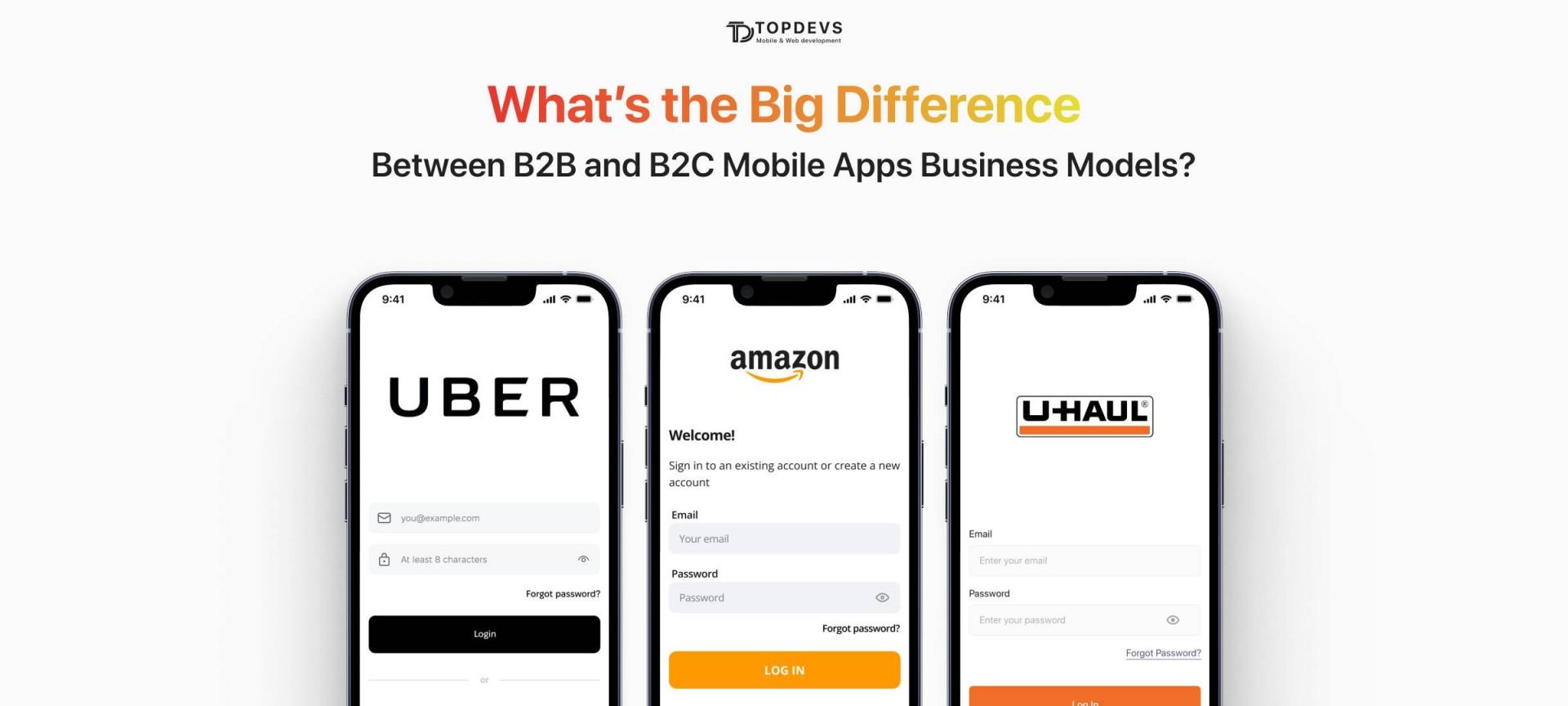
What’s the Big Difference Between B2B and B2C Mobile Apps Business Models?
February 13, 2025