iPhone vs Android Users: Key Differences and a Variety of Possibilities for Businesses

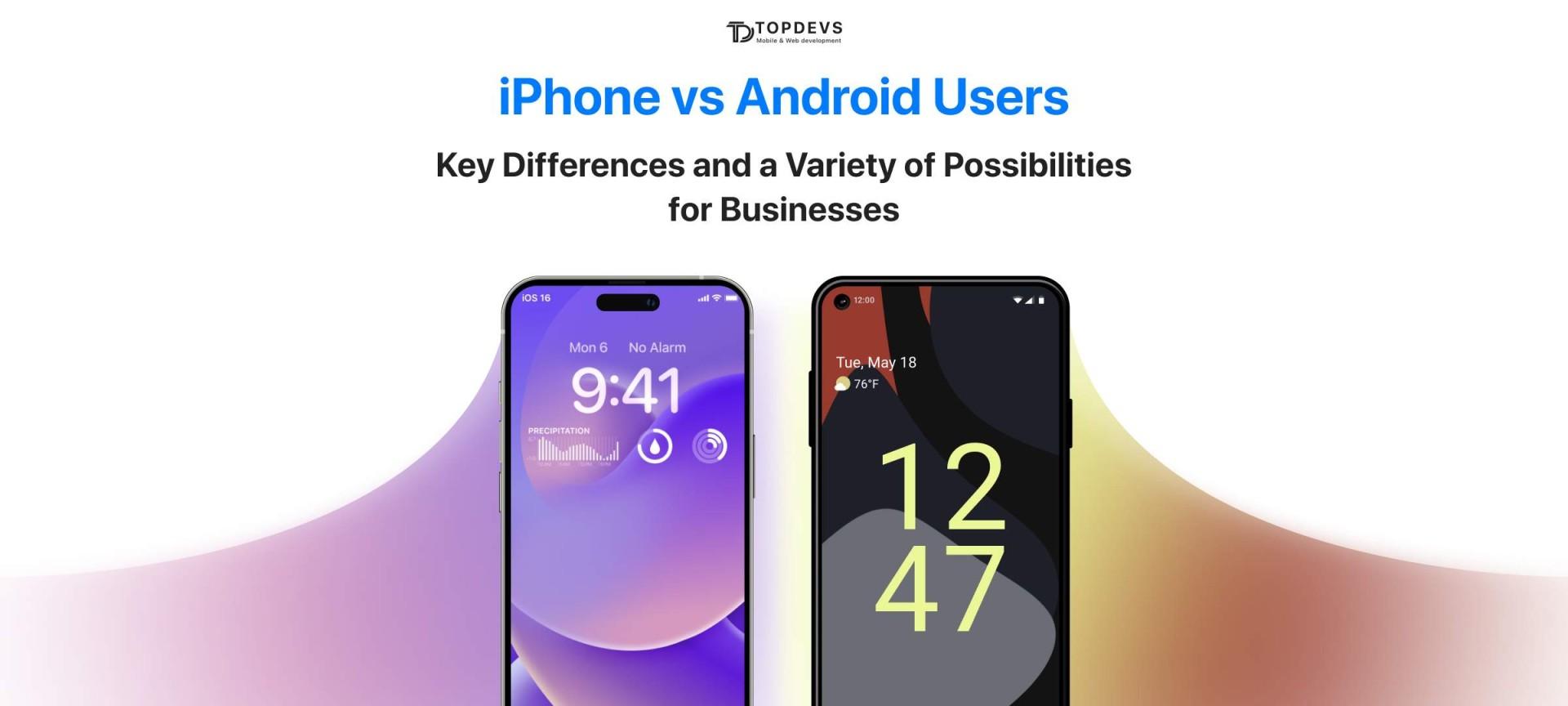
Which is more popular: iPhone or Android? This is the most common topic of debate among smartphone users. Both systems, of course, have their significant pros and cons, but, as a business owner, if you want your application to be successful, you must think more flexibly and understand the target audience of these systems. To meet the needs of your app users and design an effective promotion strategy, you need to understand the difference between Android and iPhone user profiles. They differ demographically, have different habits and behavior, and so on. Let's dive into the details.
Android vs. iOS Users: the Market Share Overview
Android and iOS together dominate the global mobile device market. Together, they share approximately 97% of the market. However, according to Statista, Android leads globally with around 73% market share, thanks to its open-source nature and availability across multiple manufacturers. But iOS dominates the US market with approximately 30% market share. According to Statista, the distribution of iPhone users vs. Android users in Europe is relatively similar, with 33% and 67%, respectively.
Why is Android More Popular Globally While iOS Dominates the US?

Various factors, including affordability, device variety, brand loyalty, and economic factors, drive market share distribution. The picture is evident in comparing the number of Android users vs. iPhone users in the US. The iPhone has dominated the US for years now, and analysts point to several reasons for this distribution of market share:
- Cultural: as an American company, Apple has long been a staple in American popular culture.
- Security: iOS provides excellent security tools to protect user privacy.
- Economic: US consumers are generally less price sensitive.
But it's important to remember that even though iOS dominates the US, Android devices still share a significant part of the market. So, making an Android or cross-platform app for the US audience still makes sense.
The following factors can explain the global popularity of Android vs. iOS:
- Availability and variety of devices.
- System openness and flexible personalization. The open-source code of Android, compared to iOS, allows users to customize their devices fully.
- Economic factors. Android devices have a more flexible pricing policy. Android smartphones' average selling price (ASP) is around $250, while iPhone's ASP is approximately $750.
Read also: What’s the Big Difference Between B2B and B2C Mobile Apps Business Models?
User Switch: Android to iOS and Vice versa
Switching users from Android to iOS and vice versa is typical as users seek new experiences and features to meet their needs. The following key differences between iOS and Android influence this process:
Android to iOS Switch:
- Brand appeal. Apple products are often perceived as high-quality, premium devices.
- Device durability. Apple products are known for their durability and long-term software support compared to Android devices.
- Application ecosystem. iOS provides a more high-quality app ecosystem with superior privacy protection.
iOS to Android Switch:
- Variety of devices. Android devices offer more affordable options compared to iOS devices.
- Customization and flexibility. Android's open-source nature provides greater customization and flexibility for a unique user experience.
- Openness and freedom. Android's ecosystem allows for better file management and freedom in app installations.
Differences Influenced by Apple & Google’s Policies

When it comes to app development, understanding the policies of Apple and Google is crucial. These policies significantly impact the user experience and overall ecosystem of iOS and Android. Understanding policy differences can help you to adjust the developing process and design robust marketing strategies on each platform. Here are critical differences in Android vs. iOS app stores comparison to consider:
- App Store Approval Process: Apple's strict review process ensures quality and security, while Google's process allows faster app launches.
- Platform Openness: Android is open-source, providing more customization options compared to the limited customization options of iOS.
- Monetization and In-App Purchases: Apple follows a 30% revenue-sharing model, while Google has a lower 15% commission rate for in-app subscriptions.
- Hardware and Software Integration: Apple's seamless device integration enhances the user experience.
Android vs. iOS Users: Differences in Core Demographics
iPhone vs. Android demographics distribution includes various factors such as age, income level, geographic distribution, and user preferences.
- Distribution by age. Android devices are used by a wider audience, ranging from Millennials to Generation Z., While iOS devices attract users aged 25 to 34 and 35 to 44.
- Income level. Android smartphones offer different prices, making them affordable to users across various income levels. In contrast, iOS devices tend to be in the higher price range, making them more popular with higher-income users.
- Android devices have a significant market share in India, China, Africa, and South America. Apple products are more prevalent in the US, Canada, and the UK.
Android vs. iOS: User-Acquisition Cost and Spending
Designing marketing campaigns and pricing strategies according to user behavior is crucial for maximizing user acquisition and revenue. Android users vs. iPhone users lean towards free apps with ads or freemium models, while iPhone users demonstrate a higher propensity to spend on apps and in-app purchases.
Read also: Proof of Concept: 5 Steps for Successful App Development
Mobile App Development: Is There a Difference in Services?

The short answer is yes, and the difference is significant, so you must consider it when developing an app. Here are the key aspects Android and iOS app development services differ:
1. Development Frameworks and Languages.
Android application development mainly uses Java or Kotlin programming languages. iOS app development focuses on Swift or Objective-C programming languages. Cross-platform development options for both Android and iOS include technologies like Flutter, React Native, and Xamarin.
2. Design Guidelines and User Experience. The difference is not so noticeable but plays an essential role in the user experience. Android applications are characterized by more flexible options for visual customization and an intuitive user interface. iOS apps focus more on smooth animations, straightforward typography, and intuitive gestures.
3. App Distribution and Monetization. Google Play offers a faster and easier app approval process. On the other hand, the Apple App Store is stricter about the app review process. iOS apps have higher quality and security requirements. The monetization options for both platforms are the same: free models, in-app advertising, and subscription systems.
Retention & Engagement Trends Among Android & iOS Users
According to our expertise, iPhone vs. Android users tend to have higher retention rates and exhibit more robust engagement with apps. The reasons for this can be a better user experience and optimized app performance. To make your app successful, you should prioritize user retention strategies and adapt the app experience to the preferences of its target platform.
Aspects to Consider When Choosing a Platform for Your Mobile App

To decide which platform to prefer when developing an application, you should first research the whole iPhone vs. Android statistics. To make it easier, you should rely on the following aspects:
- Target Audience
- Market Reach
- Monetization Strategy
- App Design and User Experience
- Marketing and Promotion Opportunities
Wrapping Up on Getting to Know iPhone vs. Android Users
When targeting Android and iOS users, it's essential to understand their preferences and behavior. While they have similarities, some differences should influence your business decisions. iOS is more suitable for in-app purchases, while Android has a broader audience. Choose what suits your business goals better, but we recommend targeting cross-platform solutions to expand your user base and increase your business opportunities.
Your idea - our execution. Let's create meaningful solutions together!
Contact ustags