The Product Vision Board: How to Create a Powerful Product Strategy

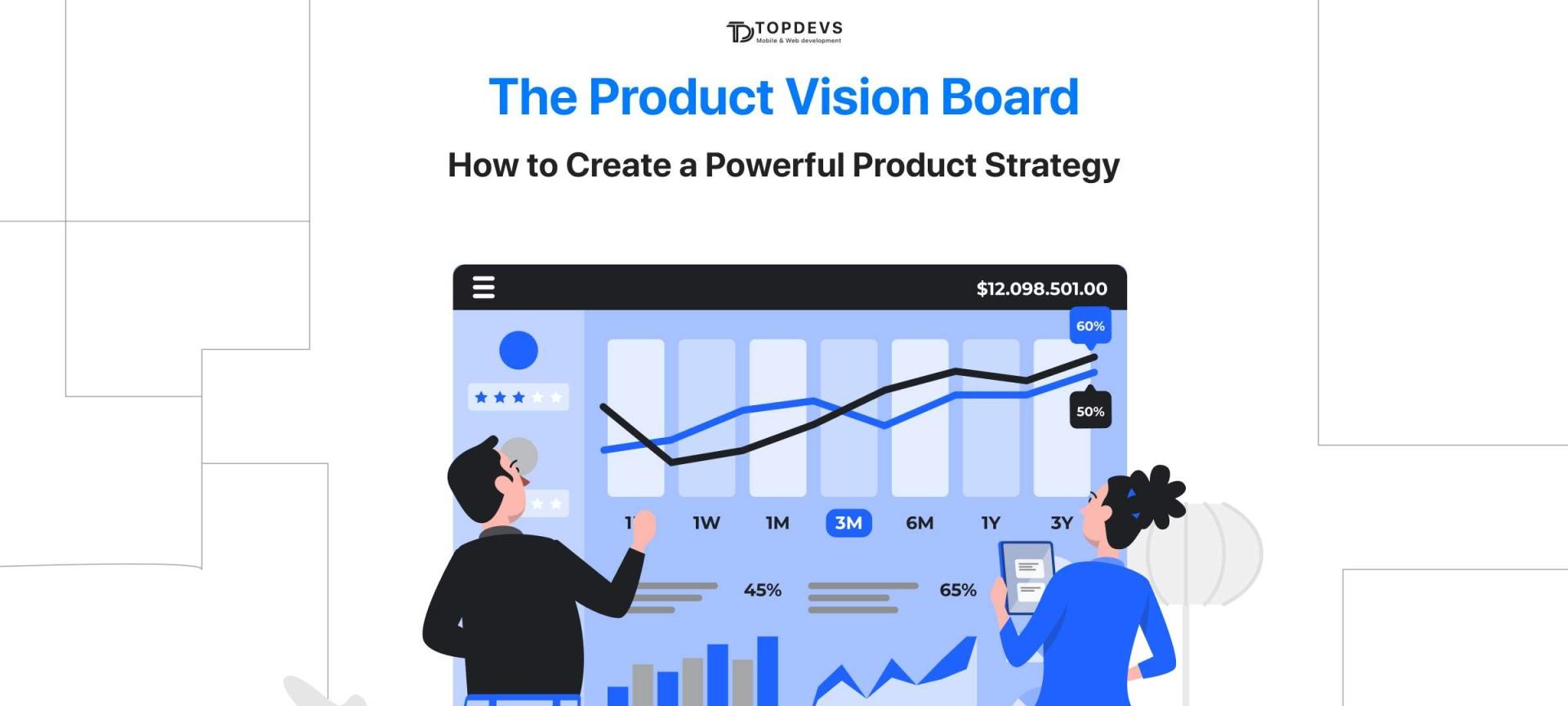
Everything big starts small; even massive projects were once just tiny drafts. You must keep that in mind before developing a complex strategy for your project. This is where the product vision board comes in. A simple yet effective tool to organize your thoughts about your product, align goals, and communicate with the team. This article will look closer at creating a product vision board and analyze its pros and cons.
What Is a Product Vision Board?
Development of your project is impossible without creating a product vision board. However, before proceeding with its development, it is necessary to understand its definition and goals.
The product vision board is a powerful tool that helps you create the foundation for a comprehensive product development strategy and improve the product management vision. This is a canvas on which you depict your idea of the product and its main goals. The product vision board helps to define the main intention with which your project is being created and what it aims to achieve for customers and users. It helps to keep in touch with your team and keep It motivated and inspired.
What Goes Into Product Vision Board?

There are many examples of product vision board templates. Each contains various elements, such as target groups, metrics, KPIs, key features, etc. But we recommend you use this classic 5-point product vision board template that includes:
1. Vision. Here you define your product's purpose, mission, and primary goal. The vision section must contain the ultimate reason for creating your product. Keep your vision simple, short yet impactful, such as a simple statement like “Make People Happy.”
2. Target Audience. This section of your product vision canvas identifies the specific market segment your product aims to serve. You must clearly understand the people who will use and benefit from your product.
3. Needs. You must focus on your product's value by addressing the basic user needs. Describe your product's unique benefits to convince people to purchase or pay for it.
4. Product. You should highlight your product's central 3 to 5 key features or unique selling propositions (USPs). The features should directly address the needs.
5. Business Goals. This section may include desired business goals you want to achieve. It may include increasing revenues, entering new markets, reducing costs, enhancing brand development, etc.
Read also: Top 10 Business Challenges Growing Companies Face & How to Overcome Them
When to Use the Board Best?
A product vision board is most effective during the early stages of product development. It also may be used as a starting point for developing your future business strategy. A product vision board helps define the overall direction of the product, align stakeholders, and provide a clear vision to guide further decision-making. However, the vision board project can also be updated as the product evolves to ensure continuous alignment and focus.
What Pros & Cons of a Product Vision Board
Understanding that a product vision board is just a tool with its sound and best sides is essential. It can not instantly resolve all your project problems but can softly guide your team through development. According to our experience, we define the following pros and cons of a product vision board:
Pros:
- Assembling a whole team.
- Enhancing team communication.
- A clear picture of key features and product development focus.
- The group stays focused and aligned with their goals.
Cons:
- Oversimplification of complex aspects of the product and product development.
- Limited flexibility in responding to unforeseen market changes or customer needs.
Product Vision Board's Examples
Here is a product vision board example that best illustrates an adequately designed board.

Smarthome:
1. Vision: To create a safe and secure environment for homeowners through an advanced innovative home security system.
2. Target Audience: Homeowners prioritizing safety, convenience, and peace of mind.
3. Needs:
- Robust home security measures to protect against break-ins.
- Seamless integration with smart home devices.
- Remote access and real-time alerts.
4. Product Features:
- Advanced motion sensors and video surveillance.
- Integration with intelligent locks, doorbell cameras, and voice assistants.
- Mobile app with remote access, real-time alerts, and customizable settings.
- 24/7 professional monitoring and emergency response services.
5. Business Goals:
- Increase customer base by offering superior features and reliability.
- Generate recurring revenue through subscription plans for monitoring and additional services.
Read also: Proof of Concept: 5 Steps for Successful App Development
How to Create a Product Vision Board
Creating a product vision board involves a structured approach to capture and visualize critical elements of your product's vision and strategy. Here's a step-by-step guide on how to build a vision board:
1. Gather the team. Assemble a whole squad from project managers to developers to ensure a wide range of perspectives.
2. Define the board's structure. Determine sections like target audience, value, goals, and critical features.
3. Conduct research. Gather market research, user insights, and competitor analysis.
4. Brainstorm and collaborate. Encourage open discussions and idea generation. Keep asking questions about your product for the vision board to fill it.
5. Visualize the board. Use various tools like whiteboards or digital software to create a visually appealing representation.
The product vision board becomes a powerful tool for guiding product development by involving the team and maintaining open communication.
Best Practices of Product Strategy Development
In the early stages of a development process, it is essential to understand that product vision and strategy differ. However, an excellent example of a product vision can be used to design a strong product strategy. There are the best practices that you can employ:
- Customer-Centric Approach. Keep your target audience at the center of decision-making and design processes. Continuously seek feedback and validate assumptions with user research.
- Agile and Iterative. Release minimum viable products (MVPs) and gather user feedback.
- Data-Driven Decision-Making. Leverage data and analytics, monitor key metrics, conduct A/B testing, and iterate based on insights.
Getting Started with TopDevs

TopDevs provides full-scale development. Our highly qualified team helps businesses in various industries streamline and optimize the product development process. We begin with the draft, help design a product vision board, and develop a comprehensive product strategy for your business's success. In TopDevs, we use potent features and project management tools to make your product exceptional and competitive.
You can safely trust us with all your project ideas.
Final Thoughts on Product Strategy Development
A well-crafted product vision board guides your team throughout the product development journey. It helps to share vision, inspire the team, and enhance communication. A clear picture of current goals, purposes, and intentions for product creation can significantly improve the development process. A good product vision board is a foundation of a strong business strategy and a key to your product's success. When hiring a team, it is important to give preference to those who clearly understand how to create a product vision board. Such groups will help you with full-cycle product development, including creating an agile vision board, which you can use to design a successful business strategy.
Your idea - our execution. Let's create meaningful solutions together!
Contact ustags