 Hanna VoronovaCEOUnited Kingdom
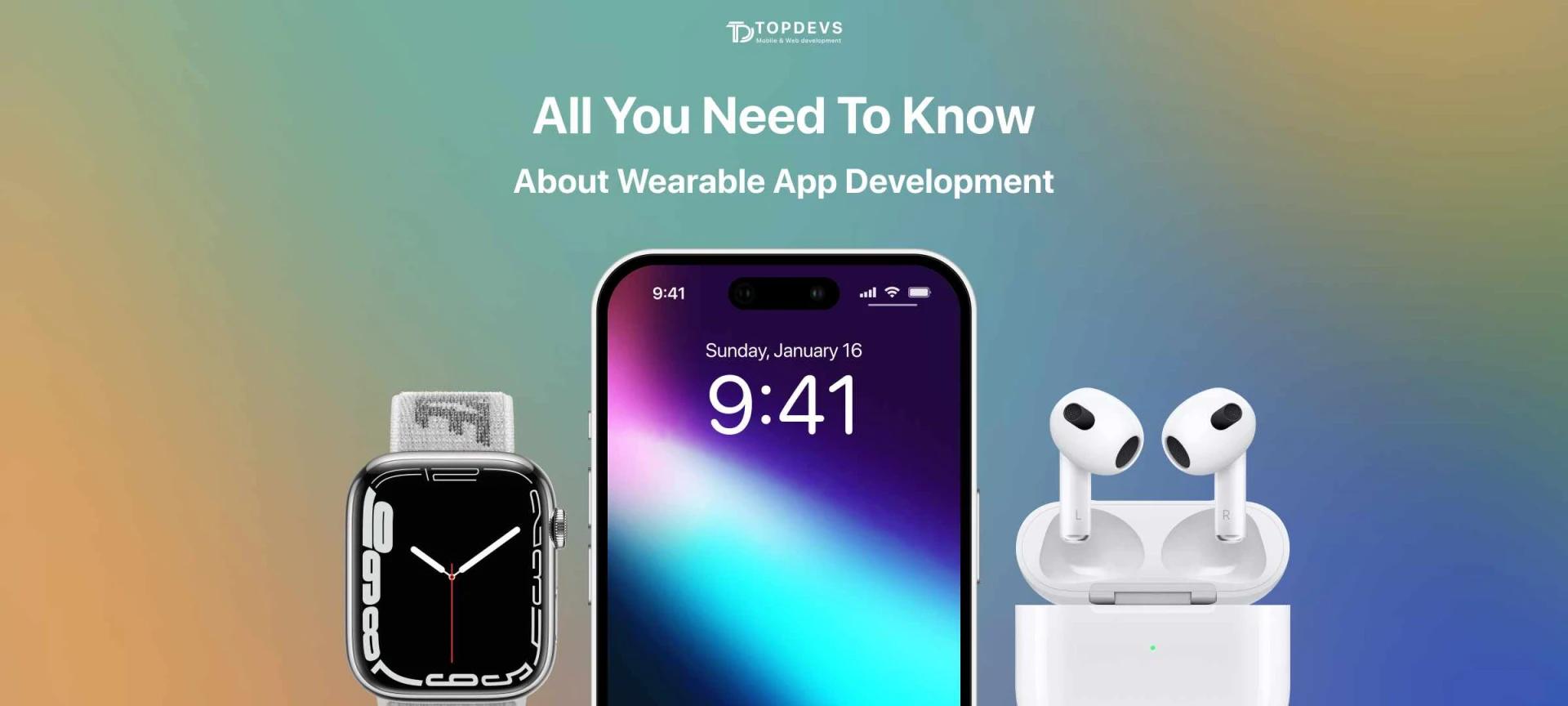
Smartphones, headphones, and smartwatches, among other intelligent devices, have profoundly entrenched themselves in our daily routines. It's nearly inconceivable to go through a day without utilizing these gadgets, which is reflected in the astounding growth of the wearables market in recent years. In fact, this year the number of connected wearable devices has already exceeded a staggering one billion.
For those considering the addition of wearables into an existing application or simply seeking to understand more about them, now is the perfect opportunity to delve into the subject. This guide provides comprehensive answers to any questions you may have regarding the intricacies of wearable application development.
Wearable App Development is all about making special apps for things like smartwatches, fitness trackers, and smart glasses. These aren't like regular apps on your phone. They're made to work on things you wear on your body. Developers need to think about how these gadgets work, how to save battery life, and how to make them connect easily with other devices like your phone. They help us do things like keep track of our health, talk to friends, or find our way around, and they're becoming a big part of our daily lives.
Wearable devices are things you can wear that have special technology in them. Here are some examples:
These devices make daily life more fun, easier, or healthier, depending on what they are made to do.
Read also https://topdevs.org/blog/water-conservation-app-development
Wearable apps and mobile apps might seem similar, but they have some key differences. Wearable apps are made for devices you wear, like smartwatches or fitness trackers. Mobile apps are for phones and tablets. Here's what makes them different:
So, while they might look alike, wearable apps and mobile apps are built and used in very different ways. Wearable apps are more focused on simple, specific tasks, while mobile apps can be more complex and versatile.
Developing apps for wearable devices has many advantages. Here's why it's great:
Wearable app development isn't just about making cool gadgets; it's a way to make daily life better, safer, and more enjoyable for many people. It can help you stay healthy, make things easier, or even build a successful business.

Wearable Applications are apps used on devices like smartwatches or smart glasses. Different industries are using these applications:
These examples show how wearables are making things easier and better in many parts of our lives. It's a new and exciting way to do things, from staying healthy to buying clothes or planning a trip.
Read also https://topdevs.org/blog/healthcare-api-solutions
Wearable platforms are specialized operating systems and technologies that enable the functionality of wearable devices like smartwatches, fitness trackers, and augmented reality glasses. Various industries are utilizing these platforms to enhance their operations and provide innovative services.
1. Apple WatchOS:
2. Google Wear OS:
3. Samsung Tizen:
4. Microsoft HoloLens:
5. Fitbit OS:
6. Garmin Connect IQ:
7. Magic Leap OS:
These platforms showcase the versatile applications of wearable technology across different sectors. By leveraging these platforms, industries are not only enhancing their current services but also creating new opportunities for innovation and growth. Whether it's managing health, providing education, or enhancing customer experiences, wearable platforms are playing a pivotal role in shaping the future of various domains.
Creating a wearable app involves a multifaceted process that requires attention to detail, creativity, and an understanding of the specific platform you're developing for. Whether it's for a smartwatch, fitness tracker, or any other wearable device, here is an exhaustive guide to help you through the process:
Launch and Help: Put your app in the store, update it when needed, and help your users if they have problems.
Start by identifying your specific needs, including the platform, features, and target audience. Research online for vendors that specialize in wearable technology, looking at their portfolios and client testimonials. Ask for detailed proposals from promising ones, evaluate their expertise and communication skills, and compare their quotes to find one that fits your budget.
Once you've chosen a vendor, work on building a collaborative partnership. Create a detailed contract that outlines expectations and keep regular check-ins to ensure smooth development. By carefully considering your needs and taking the time to find a vendor that understands your vision, you'll set the stage for a successful wearable app project.
Wearable app development comes with unique challenges due to the specific nature of the devices. To avoid these challenges, it's important to understand the platform's limitations, such as screen size and battery life, and design with those in mind. Focus on creating an intuitive user experience and make sure the app works across different types of wearable devices. Security is key, especially if handling sensitive data, so robust protection measures must be in place. Testing the app thoroughly, staying up-to-date with regulations, and working with experienced developers can further ensure success. Regular updates may be needed due to the rapidly evolving nature of wearable technology. By paying attention to these key areas, you can develop a successful wearable app that meets users' needs.

The cost of wearable device app development generally ranges from $5,000 for a basic app to over $50,000 for a complex one with advanced features. Factors influencing this amount include the app's complexity, the platform, the development region, and compliance with regulations. Experienced developers may charge more but provide valuable expertise. For a precise estimate tailored to your specific project, consultation with a professional development vendor is recommended.
The future of wearable app development is very promising. Wearable devices, like smartwatches and fitness trackers, are becoming more common. They are now being used in different areas such as healthcare, entertainment, and work. New technologies are making these devices even better, with more features and longer battery life. People are looking for ways to connect everything together, and wearable apps are helping to make this happen. This means that there will likely be a lot of growth and new opportunities in wearable app development in the years to come. It's an exciting area to keep an eye on!
At TopDevs, we recognize the transformative power of wearable technology and its impact on businesses today. Our team is uniquely positioned to help your business build dynamic and user-friendly wearable apps. With a blend of creativity, technical expertise, and understanding of the market, we provide custom solutions that align perfectly with your brand's goals. Whether it's smartwatches, fitness trackers, or any other wearable device, our holistic approach ensures seamless integration, superior functionality, and a delightful user experience.
Wearable app development represents a cutting-edge frontier in technology that continues to reshape how we interact with devices and one another. From health monitoring to enhancing everyday convenience, wearable apps are embedding themselves into the fabric of our daily lives. The development process, while laden with unique challenges, offers boundless opportunities for innovation, personalization, and engagement. As this technology evolves, so too will the ways in which businesses and individuals leverage it, heralding a future where our digital and physical worlds are more seamlessly integrated than ever before. Embracing wearable app development now could position businesses and developers at the forefront of this exciting technological wave, setting the stage for success in an increasingly connected world.
Your idea - our execution. Let's create meaningful solutions together!
Contact ustags
Docker: The Role of Containers in Your Microservice Architecture
July 21, 2021
8 Steps to Understanding The Mobile App Development Lifecycle
June 1, 2021
Prototype vs MVP: What is the Best Choice for your Project?
August 25, 2020