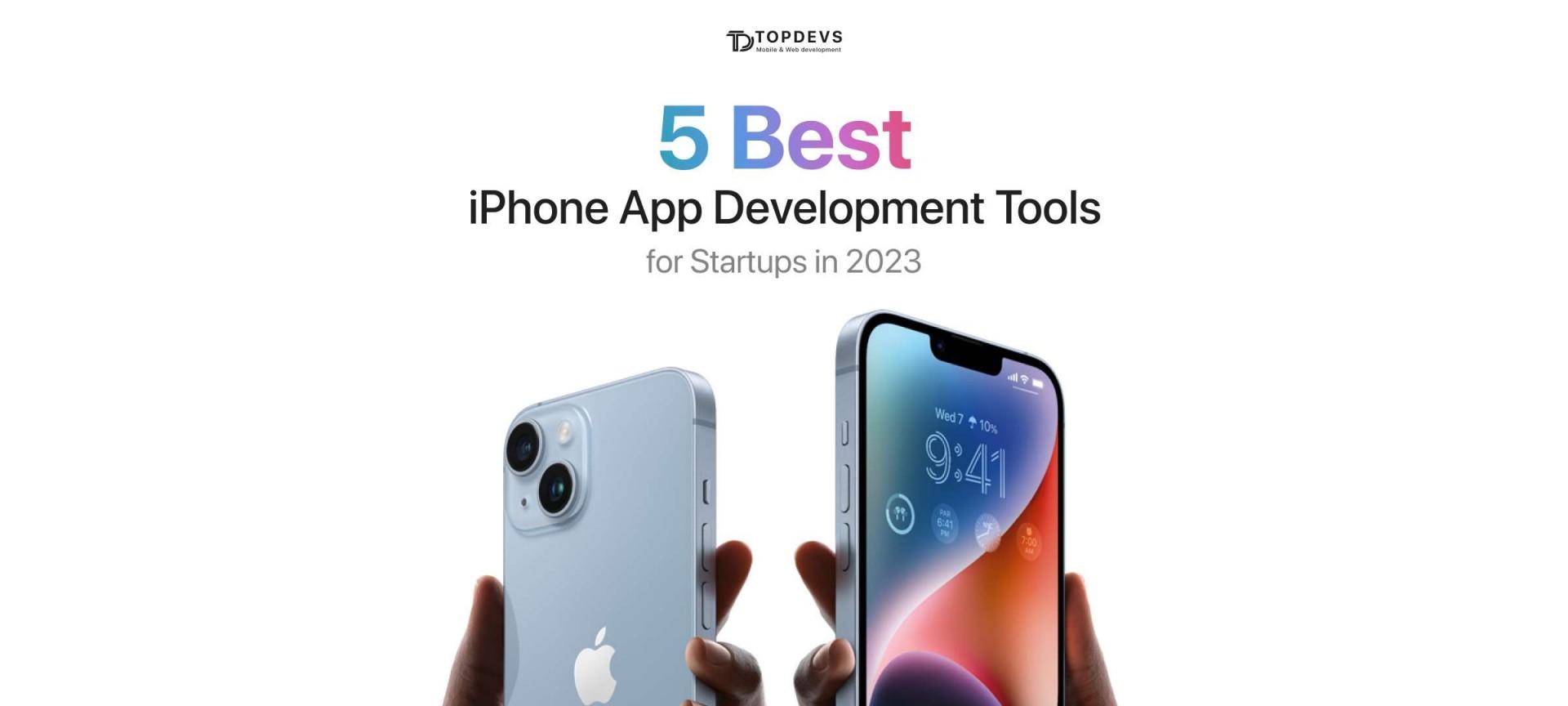
Mobile App vs Mobile Website: Pros and Cons of Each Approach For Business


Mobile app vs mobile website is the most common question that companies raise when they are willing to communicate with their target audience in the best possible way.
Just imagine, according to WARC's report, 72,6% of internet users are projected to access the web via mobile devices only by 2025. That's around 3,7 bln users. Huge, right?
So this question is more relevant today than never before. Because the sooner businesses start delighting their customers, the more audience they will attract.
What's your winning strategy while capturing the mobile market: with a mobile website or a mobile application? There is no clear answer as it crucially depends on numerous factors - from your business objectives to the features you want to include for your customers.
Let's see what goes into each type and define what is the best option specifically for your business needs - a mobile app, a mobile website, or even both!
How Do Mobile Apps And Mobile Websites Differ?
The biggest difference between mobile apps and mobile websites is that the latter ones could be accessed online only while an application can open its space for users both in online and offline modes. From our experience, an outsourcing mobile app development company can easily create a mobile app or website according to the specified requirements.
Read more: Why Hire Ukrainian Web Development Companies for Outsourcing Your Project?
Let's start by understanding the essence of both types!
A mobile application is a downloadable (from Google Play Market, App Store, or other portal depending on the operating system) separate program that should be installed on a user's mobile device. It leverages the native software and hardware of a smartphone and provides a more intuitive and performant user experience, especially when an app is a native application compared to the cross-platform one.
A mobile website is a shortened website version compared to a traditional desktop one streamlined for mobile devices: smaller fonts, fewer website elements, simplified features, etc.
The Pros and Cons of Mobile Websites
To have a clear picture of the differences between a mobile website and a mobile app, let touch upon the benefits and limitations of mobile websites first.
The mobile website benefits are as follows:
- Compatibility. Mobile websites work perfectly across all mobile devices no matter what operating system or device type it has.
- Wider audience. Mobile websites reach a bigger potential audience due to multi-platform support.
- Easy update. Supporting websites costs less as it requires to change the content or design within its single version and it will work on all mobile devices instantly.
The mobile website flaws include:
- Device's features use. Mobile websites can not always leverage all the available device's hardware like GPS, camera, etc. despite the increasing number of libraries that should resolve the task.
- Screen size. Mobile websites do not provide the conceived content compared to the desktop devices' screens making it a shortened version of the desktop one for users and thus providing a poorer user experience.
- Online mode. To operate properly a mobile website requires an Internet connection otherwise only cached pages may show certain content in offline mode.
The Pros and Cons of Mobile Apps
Mobile applications win the hearts of most users due to many reasons that we would like to specify below.
The mobile app’s benefits are the following:
- User experience. Mobile apps are way more convenient for users due to better performance rates, easiness of use, and better design decisions.
- Hardware compatibility. Mobile apps are better integrated with the device's functionality so they make a user journey much enjoyable turning the audience into loyal clientele.
- Screen fit. Mobile apps take into account all the peculiarities of different screen sizes, fit better, and get applause from users for their convenience.
- Personalization. Users may create personal profiles, set preferences, save and store major data within one place required for regular use.
- Offline mode. All the saved information can be accessed without an Internet connection.
The mobile apps limitations are the next:
- Compatibility. Each operating system requires a separate application either Android, iOS, or any other that may be created via a cross-platform or native development approach. This takes more time and money compared to website development.
- Maintenance. Every app upgrade needs to be reproduced for each supported device and operating system regularly. It takes additional time and costs besides the need to ask users to download an update from the store.
Native Apps And Mobile Websites Benefits Comparison
Both types of mobile solutions have their benefits.
In the case of mobile websites, they:
- provide a bigger audience to reach
- attract new customers increasingly
- require fewer development costs and time
- are compatible with all types of devices
- give fast access to the service/product data
- update information instantly within one edit
So if you need a simplified version of your desktop website smoothly accessible from any mobile device, you should definitely create a mobile website.
Among mobile apps we recommend native apps development therefore here, we will place their advantages in particular. In case you want to grant your customers something much more complicated and pleasant, look through the benefits of mobile apps, as they:
- grant amazing user experience
- engage and retain loyal customers
- make full use of the device's hardware and software
- deliver better design decisions
- make customers feel special with personalization
- provide extended functionality
Mobile App vs Mobile Website: Which One To Use?
Every business owner should take into account many factors before deciding which way to go: with a mobile website or mobile app development.
It seriously depends on your business goals:
- Looking for an extension of your website for mobile users? Develop a mobile website.
- Wish to boost your brand awareness and customers' loyalty? Create a mobile app.
- Focus on content provision only? Make a website.
- Want complex functionality and smooth integration with the device's hardware? Build a mobile app.
Overall, if you want to attract new users effectively and retain the existing ones efficiently, your best choice may be creating both - a mobile website and a mobile app.
Usually, the logical order to establishing a business online presence is creating a regular desktop website, then extending its web presentation in a form of a mobile website. And, finally, let your audience to utilize a useful application that solves users' challenges impossible to be completed through a traditional browser.
For example, when you need features linked to the device's hardware like GPS, camera, etc., or have instant access to various content types like images, video, etc., a mobile app can be effective and will keep these elements dynamic for better user experience.
Daily usage tools, real-time tracking solutions, notifications-filled and data-manipulating - those are all things that are more common and easily maintainable within a mobile application rather than a mobile website.
Conclusions
Each company presenting any business niche should consider the options that suit them best depending on the business objectives, marketing strategy, and brand positioning. It is all about selecting the right solution for your unique business outcomes. Sometimes, you can choose to go with both - a mobile website and a mobile app.
Have more questions? Use the contact form to get quick help with deciding on the best option for your mobile project!
Your idea - our execution. Let's create meaningful solutions together!
Contact ustags
![How Much Money Do Mobile Apps Make in 2024? [The Best Revenue and Monetization Models Inside]](/_next/image?url=https%3A%2F%2Ftopdevs.org%2F%2Fstorage%2Fpictures%2F1d%2F8d%2F1d8dd56125f480fe9b3ba5244c082f037cc3a4aee3b6352578228199d85dd07b.6619489b.23d041ee.webp&w=2048&q=75)