The Role of a Prototype Model in Mobile App Development

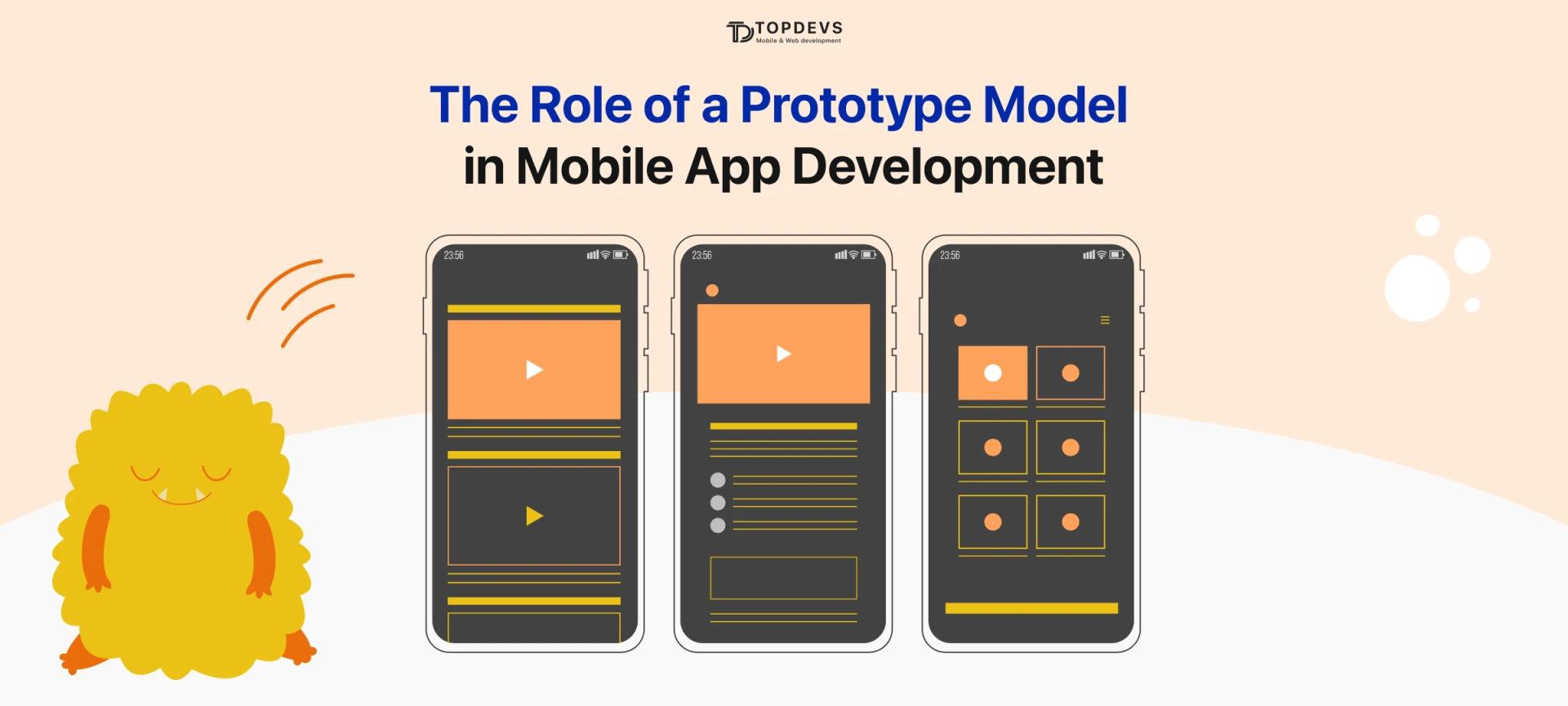
In the dynamic and fast-paced world of mobile app development, the creation of a prototype stands as a crucial, yet often underestimated, step in the journey from concept to market-ready product. A prototype, essentially a preliminary visual mock-up, serves as a vital tool for exploring ideas, testing functionality, and communicating a vision. This early model is more than just a sketch; it's the tangible manifestation of an idea, offering a first glimpse of what the final app might look and feel like. In this article, we delve into the role of a prototype model in the lifecycle of mobile app development. We explore how it aids in refining user experience, attracting stakeholders, and identifying potential technical challenges. For developers, stakeholders, and users alike, a well-crafted prototype is a beacon that guides the app development process, ensuring that the end product is not only technically sound but also aligns perfectly with user expectations and market demands. Whether you're a seasoned developer or a budding entrepreneur in the app world, understanding the importance of prototyping is key to turning your digital vision into a successful reality.
What is Mobile App Prototyping?
Mobile app prototyping is a foundational process in the development of mobile applications, serving as a critical bridge between initial concepts and the final product. It involves creating a preliminary version of the app, which is more about function than form. This prototype is a working model that helps visualize how the app will operate, showcasing its design, user interface (UI), and user experience (UX) aspects.
- A Visual Blueprint: Think of a prototype as the app’s blueprint; it conveys the layout, features, navigation flow, and overall design. It's not fully functional but interactive enough to give a feel of the end product.
- Testing and Refinement: Prototyping is an iterative process. It allows developers and designers to test the feasibility of their ideas, identify design flaws, and refine the user journey. It’s about experimenting with different approaches to find the most effective solutions.
- Stakeholder Engagement: Prototypes are also valuable communication tools. They enable developers to demonstrate the app's concept and functionality to stakeholders, investors, or potential users, gathering early feedback that can be pivotal in shaping the final product.
- Risk Mitigation: By building a prototype, teams can identify and address potential issues early in the development process, reducing the risk of costly changes later.
- User-Centered Design: Importantly, prototyping centers around the user experience. It helps ensure that the final product is not just technically sound but also intuitive, engaging, and user-friendly.
In essence, mobile app prototyping is more than just creating a mock-up; it's a strategic phase in mobile app development that tests, refines, and validates the app’s design and functionality, ensuring the final product meets its intended goals and provides a satisfactory user experience.
Main Features of Mobile App Prototyping
Mobile app prototyping is a fundamental part of the app development process, characterized by several key features that make it both effective and essential. Understanding these features helps in crafting a prototype that effectively guides the development journey:
- Interactivity: One of the core features of a prototype is its interactivity. Unlike static wireframes or mockups, a prototype allows users to interact with the interface, simulating the experience of the final product.
- Visual Representation: Prototypes provide a visual representation of the app, including its layout, color schemes, typography, and graphics. This visual aspect helps stakeholders envision the final look and feel of the app.
- User Navigation Flow: A critical feature of prototyping is showcasing the app’s navigation flow. It demonstrates how users will move through the app, interact with different elements, and access various features.
- Functionality Demonstration: While not as fully functional as the final app, prototypes include basic functionalities to give a sense of how the app works. This might include button actions, transitions, and basic interactions.
- Feedback Mechanism: Prototypes are designed to gather feedback. They are used in user testing sessions to collect insights about the user experience, which can be invaluable in refining the app.
- Scalability: Good prototypes are scalable. As the project progresses, the prototype can be enhanced and expanded, adding more details and functionalities.
- Fidelity Levels: Prototyping offers various fidelity levels, from low-fidelity sketches that focus on basic layout and high-level concepts, to high-fidelity prototypes that closely resemble the final product.
- Rapid Development: Prototypes are typically developed rapidly, using prototyping tools and software. This quick turnaround is essential for iterative testing and development cycles.
- Cost-Effectiveness: By identifying design and usability issues early on, prototypes can save time and money, reducing the need for major changes during later stages of development.
- User-Centric Design: Lastly, the focus of prototyping is on enhancing the user experience. It ensures that the final product is not only aesthetically pleasing but also user-friendly and intuitive.
In summary, mobile app prototyping is a multi-faceted process, encompassing interactivity, visual representation, user navigation, and functionality, all geared towards creating an app that is not just technologically sound but also delivers an optimal user experience.
Benefits of Prototyping in Mobile App Development
Prototyping in mobile app development is more than a preliminary step; it’s a strategic approach that brings numerous benefits, enhancing the overall development process and the quality of the final product. Here are the key advantages of incorporating prototyping into mobile app development:
- Early Identification of Design and Usability Issues: Prototypes allow for the early detection of design flaws or usability issues. Addressing these issues in the prototype stage is far more cost-effective than making changes after the app has been developed.
- Enhanced User Experience: By testing the prototype with real users, developers can gain valuable feedback on the app's user experience (UX). This feedback is crucial in creating an app that is intuitive, user-friendly, and meets the users' needs.
- Improved Stakeholder Communication: Prototypes provide a tangible representation of the app for stakeholders. This clarity can improve communication, secure buy-in, and ensure that everyone’s on the same page regarding the app’s design and functionality.
- Efficient Resource Management: Prototyping helps in better allocation of time and resources. By having a clear understanding of the app’s design and functionality from the outset, developers can plan more effectively, avoiding wasted resources on features that may not be viable.
- Faster Iterations and Flexibility: Prototyping allows for quick iterations. Developers can make changes rapidly based on user feedback or stakeholder input, leading to a more adaptable and responsive development process.
- Risk Reduction: By identifying potential problems early in the development process, prototyping significantly reduces the risk of costly overhauls and project failures.
- Enhanced Collaboration and Creativity: Prototyping encourages collaboration among cross-functional teams, including designers, developers, and product managers. This collaborative environment can lead to more creative and innovative solutions.
- Better End-Product Quality: Ultimately, the iterative testing and refinement that prototyping allows result in a higher-quality final product, one that’s been thoroughly vetted for user experience and functionality.
Incorporating prototyping into mobile app development is invaluable. It not only streamlines the development process but also ensures that the end product is well-tuned to the target audience’s needs and preferences, thereby enhancing the chances of its success in the competitive app market.
Read also: Proof of Concept: 5 Steps for Successful App Development
The Relationship Between Spec, Wireframe, and Prototype

Understanding the distinct roles and relationships between specifications (Spec), wireframes, and prototypes is essential in the mobile app development process. Each serves a unique purpose and collectively, they form a roadmap from concept to final product.
Specifications (Spec): This is the starting point. Specifications are detailed descriptions of the app’s functionality, features, and system requirements. It’s a textual document that outlines what the app is supposed to do, its target audience, the problems it solves, and any technical requirements. The spec serves as a guide for the entire development process, ensuring that every team member understands the app’s goals and constraints.
Wireframe: Moving from the abstract to the visual, a wireframe is a basic visual representation of the app. Think of it as the app’s skeleton. It outlines the structure, layout, and basic components of the app, such as buttons, menus, and images. Wireframes are typically low-fidelity, focusing more on arrangement and functionality rather than design elements like color and style. They are crucial for establishing the basic structure and flow of the app before any detailed design or development work begins.
Prototype: The prototype is where it all comes together. It’s an interactive model that simulates the user experience and functionality of the final app. Unlike the static wireframes, prototypes are high-fidelity and include design elements, animations, and interactions. They provide a realistic experience of how the app will work and feel. Prototypes are used for user testing and to get stakeholder feedback. They are instrumental in identifying usability issues and making iterative improvements.
The progression from spec, through wireframe, to prototype represents a gradual refinement of the app. The spec provides the roadmap, the wireframe lays the foundational structure, and the prototype brings the concept to life, allowing for interaction and evaluation. This process ensures that the final product aligns with the initial vision and meets both user needs and business objectives. Understanding and effectively implementing each of these stages is crucial for the success of any mobile app development project.
Different Types of Prototype Tools
In the world of mobile app development, having the right prototype tool is crucial for bringing your vision to life and effectively communicating it to stakeholders and users. These tools vary in complexity and functionality, catering to different needs throughout the prototyping process. Here’s a look at various types of prototype tools commonly used in the industry:
- Low-Fidelity Prototyping Tools: Ideal for early-stage design and brainstorming, these tools help create basic wireframes and mockups. Examples include Balsamiq, which offers a quick, sketch-like feel, and Pencil Project, an open-source tool for simple wireframes. These tools are great for outlining basic app layouts and structures.
- High-Fidelity Prototyping Tools: When more detailed and interactive prototypes are required, high-fidelity tools come into play. They offer advanced features like animations, real-time collaboration, and interactive elements. Adobe XD and Figma are popular choices, known for their comprehensive design capabilities and user-friendly interfaces.
- User Interface (UI) Design Tools: Specifically focused on the visual aspects of the app, these tools help in designing detailed and polished UI elements. Sketch is a widely used tool in this category, favored for its extensive library of symbols and responsive design features.
- Integrated Development Environments (IDEs): For more technically advanced prototypes that are close to the final product, IDEs like Xcode for iOS apps and Android Studio for Android apps are used. These environments allow developers to build functional prototypes with actual code, offering a very accurate representation of how the app will work.
- Usability Testing Tools: Tools like InVision and Marvel provide functionalities to test the prototype with real users. They allow you to gather feedback on the usability and user experience of your app, which is crucial for making user-centric improvements.
- Animation and Interaction Tools: To add intricate animations and create highly interactive prototypes, tools like Principle and Framer are used. These are particularly useful for simulating complex interactions and transitions in the app.
- All-in-One Tools: Platforms like Axure RP and Justinmind offer a comprehensive set of features from wireframing to high-fidelity prototyping, including interactions, animations, and user testing capabilities. These tools are suitable for creating detailed prototypes that closely mimic the final product.
Each of these tools has its unique strengths and use cases. The choice of tool depends on the specific requirements of the project, such as the stage of development, the level of detail needed, and the technical skills of the team. Selecting the right tool can streamline the prototyping process and significantly enhance the quality and effectiveness of the final prototype.
Common Errors In App Prototyping
App prototyping is a critical phase in mobile app development, yet it’s often fraught with errors that can hinder the process and impact the final product. Awareness of these common pitfalls can help developers and designers navigate the prototyping phase more effectively. Here are some frequent mistakes to watch out for:
- Overcomplicating the Prototype: One of the most common errors is adding too many features or details in the early stages of prototyping. This can lead to confusion and detract from the core functionality and user experience that needs to be tested.
- Ignoring User Feedback: Failing to incorporate user feedback or not conducting user testing can result in a prototype—and eventually a product—that doesn’t resonate with the target audience. User feedback is invaluable for refining the app’s design and functionality.
- Neglecting the User Journey: Overlooking the user’s navigation path through the app can lead to a disjointed and frustrating user experience. Ensuring a logical and intuitive user flow is essential for a successful app.
- Inadequate Collaboration: Prototyping is a collaborative process. Not involving all relevant team members – including developers, designers, and stakeholders – can lead to misaligned objectives and gaps in the prototype.
- Skipping Prototyping Stages: Rushing through or completely skipping certain prototyping stages, like wireframing or low-fidelity prototypes, can result in missing out on crucial structural and design insights.
- Lack of Consistency: Inconsistent design elements, such as varying fonts, color schemes, and button styles, can make the prototype (and the final app) appear unprofessional and confusing to users.
- Underestimating the Prototype’s Importance: Treating the prototype as just a perfunctory step rather than an integral part of the app development process can lead to a lack of attention to detail, which might result in a subpar final product.
- Failing to Iterate: Prototyping is inherently an iterative process. Not revisiting and revising the prototype based on continuous testing and feedback can impede the development of a well-rounded app.
- Not Aligning with Technical Capabilities: Designing a prototype without considering the technical feasibility can lead to significant challenges when it comes time for actual development.
- Overlooking Platform Guidelines: Not adhering to the specific guidelines of iOS and Android platforms during prototyping can cause issues in the later stages of development, including app rejections from app stores.
Avoiding these errors in app prototyping ensures a smoother development process and leads to the creation of a more effective, user-friendly, and market-ready mobile app.
Key To Your Project’s Success: Good App Prototyping
In the journey of mobile app development, good app prototyping is not just a step; it's a key determinant of your project's success. Effective prototyping bridges the gap between a conceptual idea and a tangible product, providing a foundation upon which a successful app is built. Here’s why good app prototyping is essential:
- Clear Visualization: A well-crafted prototype transforms abstract ideas into a visual and interactive experience. This clarity is invaluable for both the development team and stakeholders, as it conveys the app’s concept, look, and feel before any code is written.
- User-Centric Design Validation: Prototyping places the user at the center of the development process. By testing the prototype with real users, you gain insights into their preferences, behaviors, and pain points. This user feedback is crucial for validating the design and functionality of the app, ensuring it meets user expectations.
- Facilitates Better Decision Making: With a prototype, decision-makers can see and interact with a working model of the app, making it easier to decide on design choices, features, and the overall direction of the project.
- Saves Time and Resources: Identifying design flaws and functional issues during the prototyping stage can save significant time and resources. It’s much more cost-effective to make changes to a prototype than to a fully developed app.
- Enhances Collaboration and Communication: A tangible prototype facilitates better communication within the team and with external stakeholders. It provides a concrete reference point for discussions, feedback, and brainstorming, fostering a collaborative development environment.
- Allows for Rapid Iterations: Prototyping is inherently iterative. You can quickly make and test changes, allowing for a dynamic development process that responds rapidly to feedback and evolving project requirements.
- Reduces Risks: By validating assumptions and testing the app’s feasibility early on, prototyping significantly reduces the risks associated with new app development, including the risk of building an app that doesn’t resonate with the target market.
- Boosts Market Readiness: A prototype that has been iteratively refined through user feedback and testing is more likely to succeed in the market. It ensures that the final product is not just a technological feat but a solution that genuinely addresses user needs and preferences.
In essence, good app prototyping is much more than creating a preliminary model of your app; it’s a strategic process that enhances the quality, usability, and viability of your final product. Investing time and effort in developing a good prototype is a wise decision that pays dividends throughout the app development lifecycle and beyond.
Read also: Mobile Banking App Development: Features, Challenges, Costs
TopDevs: Your Trusted Partner in Mobile App Development
In the intricate and ever-evolving landscape of mobile app development, having a reliable and experienced partner is indispensable. TopDevs stands out as that trusted ally, offering expertise, innovation, and tailored solutions in the journey of bringing your mobile app from concept to reality. Here's how TopDevs can be your ideal partner in this dynamic process:
- Expertise in Diverse Domains: With a team skilled in various aspects of mobile app development, TopDevs brings a wealth of knowledge in UI/UX design, backend development, and integration, ensuring a comprehensive approach to your project.
- Customized Development Strategy: Understanding that each app is unique, TopDevs offers customized development strategies. We take the time to understand your vision, target audience, and specific needs, crafting a development plan that aligns perfectly with your objectives.
- User-Centric Design and Prototyping: At TopDevs, we prioritize the user experience. Our design team excels in creating intuitive and engaging interfaces, and our prototyping process ensures that every aspect of the user journey is thoughtfully crafted and tested.
- Agile and Adaptive Approach: In a field where trends and technologies change rapidly, TopDevs employs an agile methodology. This flexible approach allows for continuous improvement, adaptability to new information, and swift response to market changes.
- Quality Assurance and Testing: We understand the importance of a flawless app experience. Our rigorous quality assurance and testing processes ensure that your app is reliable, secure, and free from bugs or glitches.
- Transparent Communication: Effective communication is key to any successful project. TopDevs maintains transparency throughout the development process, keeping you informed and involved at every stage.
- Post-Launch Support and Maintenance: Our relationship with clients extends beyond the launch. TopDevs offers ongoing support and maintenance services to ensure your app remains up-to-date and continues to perform optimally.
- Proven Track Record: With a portfolio of successful projects and satisfied clients, TopDevs has a proven track record of delivering exceptional mobile apps across various industries.
At TopDevs, we don't just develop apps; we create digital experiences that resonate with users and drive success for your business. Partnering with us means bringing on board a team that is committed to excellence, innovation, and your app’s success in the competitive mobile market.
Conclusion
The journey of mobile app development, from initial prototyping to final execution, is intricate yet rewarding. Successful app creation hinges not just on a great idea but also on meticulous execution, a deep understanding of user needs, and the ability to adapt to market changes. Prototyping emerges as a critical step, laying the groundwork for development by enabling early visualization and feedback integration.
In this process, selecting the right prototyping tools is key to effectively translating concepts into tangible models. Moreover, navigating common prototyping pitfalls is crucial to avoid potential setbacks.
Partnering with an experienced team like TopDevs is invaluable in this journey. Their expertise in navigating the complexities of app development can transform your vision into a robust, market-ready app that resonates with users. Ultimately, with the right strategy, tools, and support, your mobile app has the potential to excel in the competitive digital landscape, offering a unique and engaging user experience.
Your idea - our execution. Let's create meaningful solutions together!
Contact ustags