
Full-Cycle Software Development Services: From Idea to Market-Ready Product

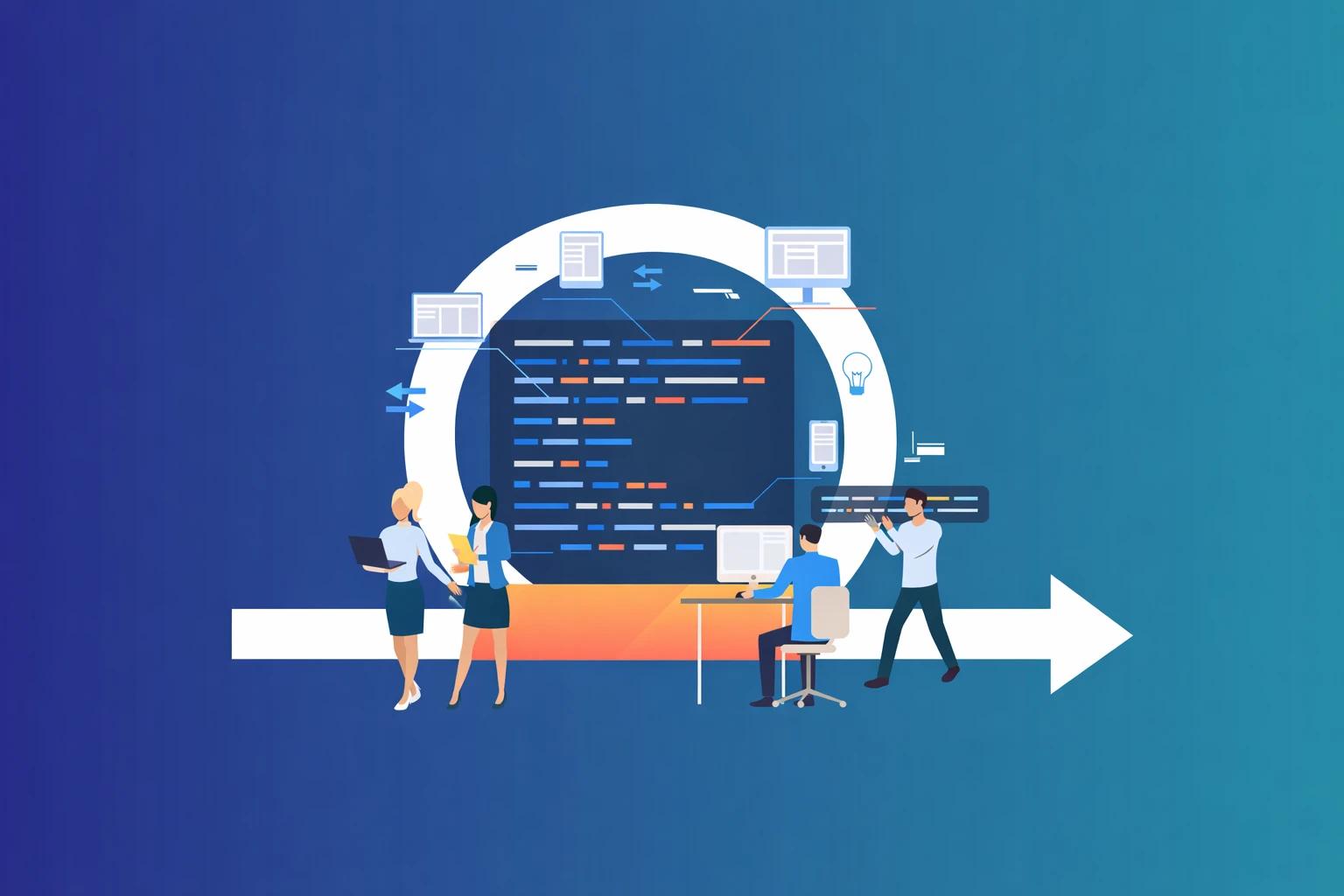
Building a successful digital product requires more than writing code. From the first idea to a market-ready solution, businesses must navigate strategy, design, development, testing, deployment, and ongoing improvement. Managing all these stages separately often leads to misalignment, delays, and unnecessary costs.
This is why many companies choose full-cycle software development services. Instead of coordinating multiple vendors or internal teams, businesses work with a single partner that takes responsibility for the entire product lifecycle. A professional full cycle software development company helps transform ideas into functional, scalable products while maintaining consistency and accountability throughout the process.
This article explains what full-cycle software development is, how it works, and why businesses increasingly rely on end-to-end software development services to bring products to market efficiently.
What Is Full-Cycle Software Development
Full cycle software development is an approach where a single provider manages all stages of product creation, from concept to launch and beyond. Rather than splitting responsibilities across different vendors, a full cycle software development firm oversees strategy, design, development, testing, deployment, and maintenance.
This model emphasizes continuity. Decisions made during early stages, such as architecture and user experience, directly influence development efficiency, scalability, and long-term costs. By keeping all stages within one team, businesses reduce friction and ensure that every phase supports the overall product vision.
A full cycle software development provider acts not just as an executor, but as a partner that understands business goals and adapts the product accordingly.
Why Businesses Choose Full-Cycle Software Development Services
One of the main reasons businesses choose full-cycle software development services is simplicity. Managing multiple vendors often leads to communication gaps, unclear responsibilities, and duplicated effort. A single end-to-end software development company eliminates these issues by providing a unified workflow.
Another important factor is accountability. When one team owns the entire lifecycle, there is no ambiguity about responsibility. This clarity improves decision-making, accelerates delivery, and reduces the risk of costly errors.
For businesses focused on long-term growth, full-cycle development also offers better scalability. Products are built with future expansion in mind rather than short-term fixes.
Core Stages of Full-Cycle Software Development
Although implementations vary, most full cycle development processes follow a structured sequence of stages that build upon one another.
Idea Validation and Discovery
The first stage focuses on understanding the business idea, target audience, and market context. A full cycle software development agency works closely with stakeholders to clarify objectives, define requirements, and identify potential risks.
This phase often includes competitor analysis, user research, and technical feasibility assessments. The goal is to validate assumptions before committing significant resources.
Product Strategy and Planning
Once the idea is validated, the next step is planning. This involves defining product scope, prioritizing features, and creating a development roadmap.
A strong software product development company ensures that planning aligns with business goals and budget constraints. Clear planning reduces scope creep and helps teams deliver value incrementally rather than attempting to build everything at once.
UX/UI Design
Design plays a critical role in product success. During this stage, designers create user flows, wireframes, and visual interfaces that reflect both user needs and brand identity.
In digital product development services, design is not just about aesthetics. It directly influences usability, engagement, and conversion. Close collaboration between designers and developers ensures that designs are feasible and efficient to implement.
Development and Implementation
The development phase transforms designs and specifications into working software. Engineers build frontend and backend components, integrate third-party services, and implement business logic.
A professional full cycle software development company emphasizes code quality, modular architecture, and scalability. These principles ensure that the product can evolve without major rewrites as requirements change.
Quality Assurance and Testing
Testing is an integral part of full-cycle development, not a final checkpoint. QA specialists validate functionality, performance, security, and usability throughout the development process.
By integrating testing early, full-cycle software development services reduce defects and improve overall reliability. This proactive approach helps avoid costly fixes after launch.
Deployment and Launch
Deployment involves preparing the product for real-world use. This includes configuring infrastructure, setting up monitoring, and ensuring smooth releases.
An end-to-end software development company manages deployment carefully to minimize downtime and disruptions. A well-planned launch sets the foundation for user adoption and future growth.
Maintenance and Continuous Improvement
Full-cycle development does not end at launch. Ongoing maintenance, performance optimization, and feature enhancements are essential for long-term success.
A reliable full cycle software development provider supports products after release, ensuring stability and adapting the solution as business needs evolve.
Full-Cycle Software Development for Startups
For startups, speed and flexibility are critical. Full cycle software development for startups allows founders to focus on business strategy while relying on experienced teams to handle execution.
Startups often operate with limited resources and evolving ideas. A full-cycle approach helps validate concepts quickly, launch early versions, and iterate based on real user feedback.
Working with a full cycle software development company reduces the risk of building products that are difficult to scale or maintain.
Full-Cycle Software Development for Enterprises
Enterprises face different challenges, including complex systems, security requirements, and integration needs. Full cycle software development for enterprises provides a structured approach to managing large-scale projects.
By working with a full cycle software development firm, enterprises ensure consistency across departments and systems. Centralized responsibility simplifies governance and improves coordination.
This model is especially effective for digital transformation initiatives and modernization of legacy systems.
Custom Software Development Full Cycle
Every business has unique requirements. Custom software development full cycle focuses on building solutions tailored to specific needs rather than adapting generic products.
A full-cycle approach ensures that customization is considered at every stage, from design to deployment. This leads to solutions that fit business processes more naturally and deliver greater value.
Custom full-cycle development is commonly used for internal platforms, industry-specific solutions, and complex workflows.
Role of Product Development Services in Full-Cycle Delivery
Product development services extend beyond technical implementation. They involve aligning technology with business strategy, user needs, and market trends.
A software product development company offering full-cycle services helps businesses make informed decisions about features, priorities, and timelines. This holistic perspective improves product-market fit and long-term success.
In many cases, strong product development services are what differentiate successful products from technically sound but commercially weak solutions.
Benefits of Working with a Full Cycle Software Development Company
One of the biggest advantages of working with a full cycle software development company is consistency. When the same team handles all stages, knowledge is preserved and decisions remain aligned.
Other benefits include faster time to market, reduced coordination effort, and clearer accountability. Businesses also benefit from long-term partnerships that support product evolution.
For organizations seeking reliability and scalability, full-cycle software development services offer a proven model.
Challenges and Risks in Full-Cycle Software Development
While full-cycle development offers many benefits, it also requires choosing the right partner. A provider lacking experience across all stages may struggle to deliver consistent quality.
Businesses should evaluate providers carefully, focusing on experience, communication practices, and transparency. Clear agreements and shared expectations are essential for success.
When implemented correctly, the benefits of full-cycle development significantly outweigh the risks.
How to Choose the Right Full-Cycle Software Development Partner
Selecting the right full cycle software development agency involves more than reviewing portfolios. Businesses should assess technical expertise, process maturity, and cultural alignment.
A strong partner takes time to understand business goals and challenges before proposing solutions. This consultative approach indicates long-term commitment rather than transactional delivery.
Clear communication, realistic timelines, and transparent pricing are key indicators of a reliable partner.
End-to-End Software Development as a Strategic Advantage
End-to-end software development services provide businesses with a strategic advantage by simplifying execution and improving consistency. Instead of managing fragmented processes, companies benefit from a unified approach.
This model supports innovation by reducing operational friction and allowing teams to focus on delivering value. Over time, end-to-end development becomes a foundation for sustainable growth.
From Idea to Market-Ready Product
Turning an idea into a market-ready product requires coordination, expertise, and long-term vision. Full-cycle software development brings these elements together under one framework.
By working with an experienced full cycle software development provider, businesses can move from concept to launch more efficiently while building products that scale and adapt over time.
In competitive markets, full-cycle development is not just a delivery model - it is a strategic approach to building successful digital products.
Your idea - our execution. Let's create meaningful solutions together!
Contact ustags